The Pin Bhaba Pass Trek is a thrilling adventure nestled in the majestic Himalayas, specifically in
the Spiti Valley of Himachal Pradesh, India. This trek offers a unique blend of breathtaking
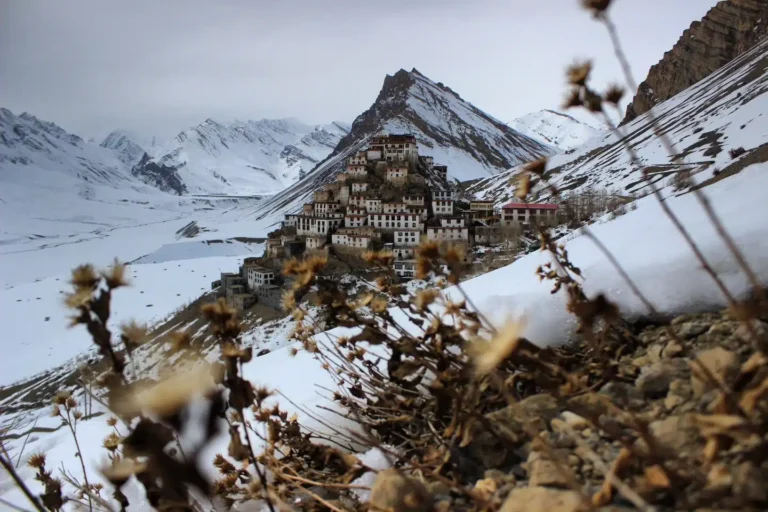
landscapes, diverse flora and fauna, and an opportunity to experience the rich culture of the
region. The trek spans approximately 50 km, taking trekkers through picturesque villages, lush
forests, and rugged terrain, ultimately culminating in the challenging yet rewarding crossing of
the Pin Bhaba Pass.
At an altitude of 4,900 meters, the pass offers stunning views of the surrounding mountains and
valleys. The trek is best undertaken during the summer months when the weather is favorable,
and the trails are accessible. The Pin Bhaba Pass Trek is an ideal destination for adventure
enthusiasts and nature lovers, providing an immersive experience amidst the grandeur of the
Himalayas.
The trek’s diverse terrain, scenic beauty, and cultural significance make it an unforgettable
experience. With its challenging trails and breathtaking vistas, the Pin Bhaba Pass Trek is sure
to leave trekkers with lifelong memories. Whether you’re an experienced trekker or a nature
enthusiast, this trek has something to offer everyone.
What Makes the Pin Bhabha Pass Trek So Special?
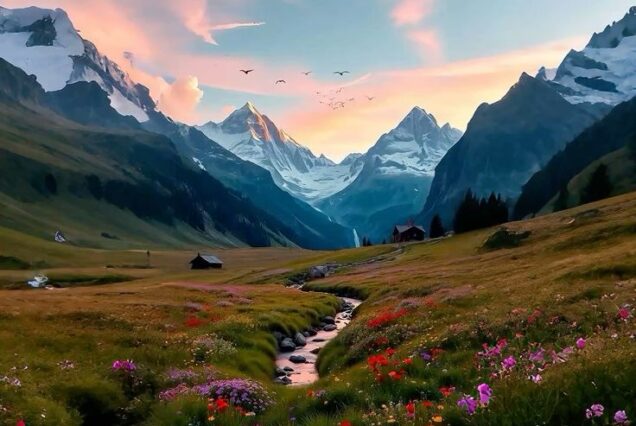
The Pin Bhabha Pass Trek is often described as a “crossover trek” because it connects two dramatically different regions of Himachal Pradesh — the green, forested Kinnaur-Bhabha Valley and the arid, moon-like landscape of Pin Valley in Spiti. This transition is what makes the trek truly unique. Trekkers begin their journey amid dense pine and birch forests, walking alongside gushing rivers and vibrant alpine meadows dotted with wildflowers. As the trail ascends toward the Bhabha Pass, the scenery begins to shift dramatically, revealing snow-capped peaks, glaciers, and rocky terrain.
Once you cross the pass, situated at a staggering altitude of approximately 4,865 meters (15,960 feet), the landscape transforms entirely. The lush greenery gives way to the barren, high-altitude desert of Pin Valley, home to unique flora and fauna, ancient monasteries, and a culture deeply influenced by Tibetan Buddhism. This stark contrast within a single trek is what sets the Pin Bhabha Pass Trek apart from most other Himalayan treks, making it a favorite among seasoned trekkers looking for variety and challenge in one expedition.
Why Choose the Pin Bhabha Pass Trek?
There are countless reasons why adventure enthusiasts from across the country and abroad choose this trail. Here are some of the key highlights that make the Pin Bhabha Pass Trek an unmissable experience:
1. Diverse Landscapes in a Single Trek
Few treks in India offer such a dramatic shift in scenery. From dense forests and gushing waterfalls to glacial rivers, moraines, and cold desert terrain, the Pin Bhabha Pass Trek offers a visual feast at every turn.
2. High-Altitude Challenge
With the pass crossing at nearly 4,865 meters, this trek is a true test of endurance, acclimatization, and mental strength. It is ideal for trekkers who have some prior high-altitude trekking experience and are looking to push their limits.
3. Untouched and Less Crowded Trail
Unlike more commercialized treks such as Hampta Pass or Kedarkantha, the Pin Bhabha Pass Trek remains relatively untouched by mass tourism. This means you get to experience the raw, unfiltered beauty of the Himalayas without the crowds.
4. Rich Cultural Experience
As you descend into Pin Valley, you will encounter remote villages, ancient Buddhist monasteries, and a way of life that has remained largely unchanged for centuries. This cultural immersion adds another layer of richness to the trekking experience.
5. Photographer’s Paradise
From vibrant wildflower meadows to dramatic mountain vistas and star-studded night skies, the Pin Bhabha Pass Trek offers endless opportunities for stunning photography.
Best Time to Undertake the Pin Bhabha Pass Trek
Timing plays a crucial role in the success and safety of any high-altitude trek, and the Pin Bhabha Pass Trek is no exception. The ideal window for this trek is between July and September, coinciding with the summer and early autumn months. During this period, the snow at the pass has mostly melted, making the crossing safer and more accessible.
July marks the beginning of the trekking season, when the meadows in the Bhabha Valley are in full bloom with wildflowers, and the rivers are flowing strong from the melting snow. August, though it falls within the monsoon season in most parts of India, remains relatively dry in this region due to the rain-shadow effect of the Himalayas, especially once you cross into Spiti Valley. September offers clear skies, stable weather, and stunning visibility, making it a preferred choice for many trekkers, although temperatures begin to drop significantly.
Attempting the Pin Bhabha Pass Trek outside this window is not advisable due to heavy snow accumulation at the pass and unpredictable weather conditions, which can pose serious risks to trekkers.
Difficulty Level of the Pin Bhabha Pass Trek
The Pin Bhabha Pass Trek is classified as a difficult trek, suitable for trekkers with prior high-altitude trekking experience. Several factors contribute to its challenging nature:
High Altitude: Crossing the Bhabha Pass at nearly 4,865 meters requires proper acclimatization and physical preparedness. Altitude sickness is a real risk, and trekkers must be attentive to their bodies throughout the journey.
Long Trekking Days: Certain days on this trek involve covering significant distances, sometimes 10-15 km, over uneven and rocky terrain.
River Crossings: Depending on the season, trekkers may encounter glacial river crossings, which require caution and proper guidance.
Unpredictable Weather: Weather in the high Himalayas can change rapidly, and trekkers must be prepared for sudden drops in temperature, rain, or even snowfall.
Given these challenges, we strongly recommend that trekkers undertake physical fitness training at least 4-6 weeks before the trek, including cardiovascular exercises, strength training, and endurance-building activities.
How to Reach the Pin Bhabha Pass Trek Starting Point
Reaching the base of the Pin Bhabha Pass Trek requires some planning, given its remote location in the Kinnaur district of Himachal Pradesh.
By Air: The nearest airport is Bhuntar Airport in Kullu, which has limited connectivity to major cities like Delhi. From Bhuntar, trekkers can hire a taxi or take a bus to Shimla, and then onward to Kafnu village.
By Rail: The nearest railway station is Shimla, which is well-connected to Kalka and further to Delhi via the historic narrow-gauge toy train, as well as regular broad-gauge trains from Kalka.
By Road: From Shimla, it is approximately a 10-12 hour drive to Kafnu village, the starting point of the trek. Regular buses and taxis are available for this route, though a private vehicle offers more flexibility.
Heaven Riders India can assist with transportation arrangements from Shimla to the base village, ensuring a smooth and hassle-free start to your trekking adventure.
Permits and Documentation Required
Since the Pin Bhabha Pass Trek passes through ecologically sensitive and restricted areas near the Indo-Tibetan border, trekkers are required to obtain specific permits before undertaking the journey.
Inner Line Permit (ILP): Required for certain stretches of the trek, particularly as you approach the Spiti Valley region. This permit can be obtained from the Sub-Divisional Magistrate (SDM) office in Kaza or through registered trekking agencies like Heaven Riders India.
Forest Department Permits: Since parts of the trail pass through protected forest areas, additional permits from the local forest department may be required.
Identity Proof: All trekkers must carry a valid government-issued photo ID, such as an Aadhaar card, passport, or driving license.
At Heaven Riders India, we handle all the necessary permit formalities on behalf of our trekkers, ensuring a seamless and stress-free experience so you can focus entirely on enjoying the journey.
Essential Packing List for the Pin Bhabha Pass Trek
Packing appropriately for a high-altitude trek like the Pin Bhabha Pass Trek is crucial for both comfort and safety. Here is a comprehensive checklist:
Clothing
- Thermal inner wear (upper and lower)
- Fleece jackets and down jackets for extreme cold
- Waterproof and windproof outer shell jacket
- Trekking pants (quick-dry, avoid denim)
- Woolen cap, sun cap, and neck gaiter
- Waterproof gloves and inner gloves
- Woolen socks and moisture-wicking socks
Footwear
- Sturdy, ankle-supporting trekking shoes with good grip
- Camp shoes or sandals for use at campsites
Trekking Gear
- Trekking poles (highly recommended for pass crossing)
- Headlamp with extra batteries
- Sunglasses with UV protection (essential for snow glare)
- Backpack (50-60 liters) with a rain cover
- Sleeping bag suitable for sub-zero temperatures
Personal Essentials
- Sunscreen (SPF 40 or higher)
- Lip balm and moisturizer
- Personal medical kit and prescribed medications
- Water bottles and electrolyte supplements
- Reusable water bottle or hydration bladder
Documents
- Valid photo ID proof
- Medical certificate (if required)
- Permit copies (arranged by Heaven Riders India)
Our team at Heaven Riders India provides a detailed packing checklist to all registered trekkers well in advance, along with guidance on renting equipment if needed.
Health and Safety Considerations
Trekking at high altitudes comes with inherent risks, and safety should always be the top priority. Here are some important health and safety tips for the Pin Bhabha Pass Trek:
Acclimatization: Proper acclimatization days are built into our itinerary to help your body adjust to decreasing oxygen levels as altitude increases.
Hydration: Drinking plenty of water throughout the trek helps prevent altitude sickness and keeps energy levels stable.
Physical Fitness: Prior preparation through cardio and strength training significantly reduces the risk of fatigue and injury during the trek.
Experienced Guides: All Heaven Riders India treks are led by certified and experienced trek leaders who are trained in wilderness first aid and altitude sickness management.
Emergency Protocols: We maintain constant communication with base camps and have established evacuation protocols in case of emergencies.
Flora and Fauna Along the Pin Bhabha Pass Trek
The Pin Bhabha Pass Trek offers a fascinating glimpse into the biodiversity of the Himalayan region. In the lower reaches of the Bhabha Valley, dense forests of pine, birch, and deodar dominate the landscape, providing habitat for species such as the Himalayan monal (the state bird of Himachal Pradesh), musk deer, and occasionally the elusive snow leopard in higher reaches.
As the trail ascends and crosses into the cold desert of Pin Valley, the vegetation becomes sparse, giving way to hardy alpine shrubs and grasses that have adapted to the harsh, arid conditions. This region is also part of the Pin Valley National Park, known for its efforts in conserving the endangered snow leopard and other high-altitude species like the Himalayan ibex and bharal (blue sheep).
For nature enthusiasts and wildlife photographers, this transition in flora and fauna across the trek adds yet another dimension of interest to the overall experience.
Cultural Significance of the Pin Bhabha Pass Trek
Beyond its natural beauty, the Pin Bhabha Pass Trek offers deep cultural immersion, particularly once trekkers descend into the Pin Valley region of Spiti. The villages here, such as Mud, are inhabited by communities that practice Tibetan Buddhism, and their way of life reflects centuries-old traditions adapted to the harsh Himalayan environment.
Trekkers often have the opportunity to interact with local villagers, visit ancient monasteries, and witness traditional practices that have remained largely unaffected by modernization. This cultural exchange adds a meaningful and enriching dimension to the trekking experience, allowing travelers to not only witness the physical beauty of the Himalayas but also connect with the resilient communities that call this remote region home.
Why Choose Heaven Riders India for Your Pin Bhabha Pass Trek?
With numerous trekking companies offering Himalayan expeditions, choosing the right partner for a challenging trek like the Pin Bhabha Pass Trek can make all the difference. Here is why Heaven Riders India stands out:
Experienced and Certified Trek Leaders
Our trek leaders are not only highly experienced in navigating challenging Himalayan terrain but are also trained in first aid, altitude sickness management, and emergency response protocols, ensuring your safety throughout the journey.
Well-Planned Itineraries
We understand the importance of proper acclimatization on high-altitude treks. Our itineraries are thoughtfully designed to balance adventure with safety, allowing sufficient rest and acclimatization days.
Small Group Sizes
We believe in maintaining small group sizes to ensure a personalized and immersive trekking experience, rather than large, impersonal groups that can dilute the quality of the adventure.
Quality Equipment and Camping Gear
From sturdy tents to high-quality sleeping bags rated for sub-zero temperatures, we ensure that all camping equipment meets the highest standards for comfort and safety.
End-to-End Support
From permit arrangements and transportation to meals and camping logistics, Heaven Riders India takes care of every aspect of your trekking journey, allowing you to focus entirely on the adventure.
Responsible Tourism Practices
We are committed to sustainable and responsible trekking practices, ensuring minimal environmental impact and respectful engagement with local communities along the trail.
Tips for First-Time High-Altitude Trekkers
If the Pin Bhabha Pass Trek is your first high-altitude expedition, here are some valuable tips to keep in mind:
Start your physical preparation at least 6-8 weeks before the trek, focusing on cardiovascular fitness, leg strength, and core stability. Practice hiking with a loaded backpack to simulate actual trekking conditions.
Break in your trekking shoes well before the trek to avoid blisters and discomfort on the trail. Never wear brand-new shoes on a high-altitude trek.
Listen to your body throughout the trek. If you experience symptoms of altitude sickness such as persistent headache, nausea, or dizziness, inform your trek leader immediately.
Pack light but smart. Every extra kilogram in your backpack can significantly impact your energy levels during long trekking days.
Stay positive and patient. High-altitude treks test not just your physical endurance but also your mental resilience. Trust the process and your trek leaders.
Facts About Pin Bhabha Pass
Region: Himachal Pradesh
Total Duration: 6 Days.
Total Distance: 50 km
Altitude: 4,900 m | 16,300 ft.
Grade: Moderate to Difficult
Temperature: – 10°C to 20°C
Best Time: July-August











 Trustindex verifies that the original source of the review is Google.