
Ice climbing is an exciting way to explore the mountains during winter. Climbing a frozen waterfall or moving across an icy slope can be a memorable experience, but it also comes with its own challenges. The ice can be unpredictable, temperatures can drop quickly, and even a small mistake can put a climber at risk.
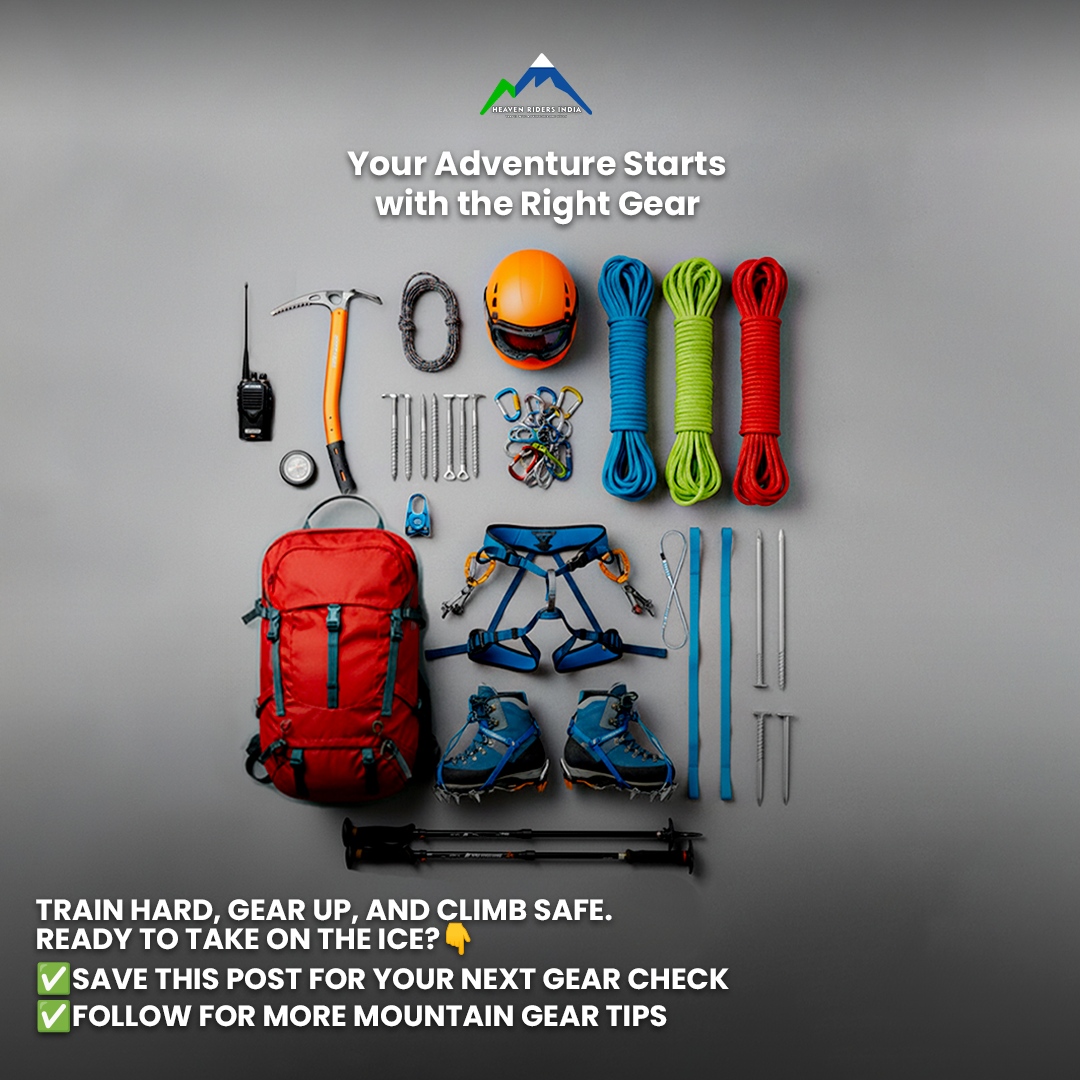
That is why having the right ice climbing equipment matters so much. You need suitable boots, crampons, ice axes, ropes, a helmet, and other safety gear to move confidently on frozen terrain.
Whether you are trying ice climbing for the first time or preparing for a more technical climb, it is important to understand what each piece of equipment does and how to use it. In this guide, we will cover the essential gear you need, packing tips, and basic equipment care to help you prepare for your next winter adventure.
Understanding Ice Climbing
Ice climbing involves climbing frozen waterfalls, ice-covered rock, and other frozen surfaces. It shares some techniques with rock climbing, but the equipment and skills required are different because ice conditions can change throughout the day.
For this activity, climbers use specialised tools such as ice axes, crampons, and ice screws, along with standard climbing equipment like ropes, carabiners, harnesses, and belay devices.
Ice climbing can be physically demanding, especially in cold weather and at high altitudes. Beginners should learn from a qualified instructor or experienced guide before attempting a climb. Knowing how to use the equipment correctly is just as important as carrying it.
Learn Ice Climbing with Heaven Riders India
If you are interested in trying ice climbing but have little or no experience, joining a guided programme can be a good place to start. An Ice Climbing Course helps you understand the basics of the activity, including equipment handling, climbing techniques, and essential safety practices.
At Heaven Riders India, adventure enthusiasts can explore mountain experiences and learn more about preparing for winter adventures. Before joining an ice climbing programme, check the course details, available dates, instructor qualifications, and equipment arrangements to make sure the experience matches your skill level.
Learning under qualified guidance can help beginners become familiar with climbing equipment and understand the challenges of climbing on ice.
Essential Ice Climbing Equipment
Before heading out for an ice climbing trip, check your equipment carefully. Every item has a specific purpose, from helping you grip the ice to protecting you in the event of a fall.
Here is a list of the main equipment used for ice climbing.
1. Helmet
A climbing helmet protects your head from falling ice, loose rocks, and accidental impacts. These hazards are common around frozen waterfalls and steep mountain routes.
Choose a helmet designed for climbing and make sure it fits securely. It should remain in place while you move your head and climb. Check it for cracks or damage before every trip, and replace it according to the manufacturer’s safety guidance.
2. Goggles
Snow glare, strong winds, and flying ice fragments can make it difficult to see clearly while climbing. Good-quality goggles help protect your eyes from these conditions and harmful UV rays.
Choose goggles that fit comfortably with your helmet and provide a clear field of vision. They should also work well in cold weather without fogging up too easily.
3. Ice Axe
An ice axe is one of the main tools used in ice climbing. Its pick helps climbers gain a hold on the ice, while its design supports movement on steep frozen surfaces.
Technical ice climbing often requires specialised ice tools rather than a traditional mountaineering axe. The right tool depends on the route, ice conditions, and your experience level.
Learning the correct techniques for placing and removing an ice tool is important. Poor technique can waste energy and make climbing more difficult.
4. Ice Screws
Ice screws are used to create protection points in suitable ice. Climbers attach ropes to these points to help protect against falls while moving up a route.
The placement of an ice screw requires proper training and an understanding of ice quality. Ice strength can vary depending on temperature, structure, and other conditions, so climbers should never assume that every section of ice will provide reliable protection.
5. Climbing Harness
A climbing harness connects you to the rope system and allows you to attach essential equipment. It is an important part of the protection system used during a climb.
Choose a harness designed for climbing and make sure it fits correctly over your clothing. Before starting, check that the buckles are secured and the harness is worn according to the manufacturer’s instructions.
6. Carabiners
Carabiners are strong metal connectors used to join different parts of a climbing system. They can connect ropes, harnesses, slings, and protection points.
Different carabiners serve different purposes. Some have locking gates, which help prevent accidental opening in situations where a secure connection is required.
Always use climbing-rated carabiners and check them for damage, wear, or problems with the gate before use.
7. Quickdraws
A quickdraw consists of two carabiners connected by a short sling. It is commonly used to connect a climbing rope to protection points along a route.
Quickdraws help the rope move through the system while reducing unnecessary friction. The type and number needed will depend on the route and the climbing setup.
Make sure you understand how to clip and use quickdraws correctly before relying on them during a climb.
8. Belay Device
A belay device helps a climber manage the rope while protecting another climber. It creates friction that allows the belayer to control rope movement and respond to a fall.
Different devices have different operating methods, so choose one that is compatible with your rope and suitable for the type of climbing you plan to do.
Practice using the device with an experienced instructor before heading onto the ice. Correct belaying technique is an essential part of climbing safety.
9. Climbing Ropes
Climbing ropes connect climbers to their protection system. Dynamic climbing ropes are designed to stretch under load, helping absorb some of the force generated during a fall.
For ice climbing, ropes must be suitable for the route and expected weather conditions. Wet or frozen ropes can be harder to handle, so it is important to understand the limitations of your equipment.
Inspect ropes for cuts, unusual wear, and other signs of damage. Follow the manufacturer’s instructions for storage, cleaning, and replacement.
10. Accessory Cord
Accessory cord is a lightweight cord used for specific climbing tasks. Depending on its rating and intended use, it may be used to make prusik loops, organise equipment, or assist with anchor systems.
Not every accessory cord is suitable for holding a climber’s weight. Always check the product specifications and learn the correct application before using it as part of a climbing system.
11. Mountaineering Boots
Proper mountaineering boots provide insulation, ankle support, and a stable platform for climbing on snow and ice. They also need to be compatible with the crampons required for your route.
Boot choice depends on the temperature, terrain, duration of the climb, and type of crampon system. A comfortable fit is important because tight boots can cause discomfort, while loose boots can affect stability.
Break in your boots before the trip and check that your crampons fit securely.
12. Crampons
Crampons are metal traction devices that attach to mountaineering boots. Their points help you gain grip on hard snow and ice, making them essential for many ice climbing routes.
Different crampons are designed for different activities. Technical ice climbing may require specialised crampons with front points suited to steep ice, while other designs are intended for general mountaineering.
Make sure your crampons match your boots and are adjusted correctly. Practise walking and moving on suitable terrain before attempting a technical climb.
Equipment Required for an Ice Climbing Course
If you are preparing for an Ice Climbing Course, make sure you understand which equipment you need to bring and which items will be provided by the organizers. Essential gear may include a helmet, ice axes, crampon-compatible mountaineering boots, crampons, a climbing harness, ropes, and suitable cold-weather clothing.
Beginners should avoid buying expensive technical equipment before understanding their requirements. Ask your course provider about equipment rentals, recommended clothing, and any items you must carry personally.
Heaven Riders India recommends planning your mountain adventure carefully and checking all equipment requirements before departure. Proper preparation helps you focus on learning and enjoying the experience.
Tips for Packing Ice Climbing Equipment
Packing for an ice climbing trip takes a little planning. The equipment can be heavy, sharp, and bulky, so organizing everything properly helps protect your gear and makes it easier to carry.
1. Protect Sharp Tools
Ice axes, crampons, and ice screws have sharp metal points that can damage other equipment or cause injuries if packed carelessly.
-
- Use protective covers for ice axe picks and crampon points.
-
- Keep sharp tools secured inside your backpack or a suitable gear bag.
-
- Store smaller metal items in a separate pouch.
-
- Follow airline rules when travelling with climbing equipment, particularly sharp tools.
Before leaving, check that all your equipment is packed securely and cannot move around unnecessarily.
2. Distribute the Weight Evenly
A poorly packed backpack can make the approach to an ice climbing route tiring and uncomfortable.
Place heavier items close to your back and keep the load balanced. Store lighter clothing and smaller accessories in the remaining compartments. Use straps to prevent equipment from shifting while walking.
Keep items you may need quickly, such as gloves, snacks, and a headlamp, somewhere easy to reach. A well-organized backpack can make a long walk to the climbing area much easier.
3. Carry Essential Safety Items
Technical climbing equipment is only part of your preparation. You should also carry basic supplies for cold weather and unexpected delays.
Your packing list should include:
-
- Headlamp: Useful when starting early or returning later than planned.
-
- First-aid kit: Include suitable supplies for minor cuts, blisters, and other common problems.
-
- Food and water: Carry easy-to-eat snacks and an insulated bottle to help prevent your water from freezing.
-
- Communication device: Bring a charged mobile phone or another suitable communication device. Remote areas may have limited network coverage.
-
- Extra gloves and warm layers: Wet clothing and cold temperatures can quickly make a climb uncomfortable.
-
- Emergency supplies: Carry items appropriate for the route, weather, and length of the trip.
Your guide or climbing team can help you decide what additional equipment is needed for the planned route.
4. Climb With an Experienced Partner or Guide
If you are new to ice climbing, do not attempt a technical route alone. A qualified instructor or experienced guide can help you learn the correct techniques, understand the equipment, and recognize changing ice conditions.
Before starting, discuss the route, weather forecast, equipment checks, and emergency plan with your team. Let someone outside the group know where you are going and when you expect to return.
Even experienced climbers can face unexpected conditions. Good preparation and clear communication help reduce avoidable risks.
Ice Climbing Equipment Safety and Maintenance
Your equipment needs regular care to remain in good condition. Before each climb, inspect your helmet, harness, ropes, carabiners, crampons, and ice tools for visible damage or excessive wear.
Pay particular attention to loose bolts, damaged straps, worn rope sections, and carabiners that do not close properly. If any item appears damaged or has been involved in a serious fall or impact, follow the manufacturer’s guidance and have it checked or replaced as needed.
After the climb, remove dirt and moisture from your equipment. Dry metal components thoroughly to reduce the risk of corrosion, and store everything in a cool, dry place away from direct sunlight and chemicals. Follow the manufacturer’s instructions for cleaning and maintaining ropes, harnesses, and other safety equipment.
It is also important to respect the environment during your trip. Avoid leaving rubbish behind, follow local rules, and take care around fragile mountain areas. Following Leave No Trace principles helps keep climbing areas cleaner for other visitors.
Remember that equipment checks cannot guarantee safety on their own. Proper training, suitable weather, good route planning, and sound decisions are all part of responsible ice climbing.
For more information about mountaineering equipment safety, visit the Indian Mountaineering Foundation’s safety resources
Conclusion
Ice climbing offers a chance to experience the mountains in a completely different way. Climbing frozen waterfalls and moving across icy slopes can be rewarding, but the activity requires the right equipment, practical skills, and careful planning.
Your essential gear may include a helmet, goggles, ice tools, ice screws, a harness, carabiners, quickdraws, a belay device, climbing ropes, mountaineering boots, and crampons. You should also pack warm clothing, a first-aid kit, a headlamp, food, water, and suitable emergency supplies.
Take time to check your equipment before every trip, pack sharp tools safely, and learn how to use your gear from a qualified instructor or experienced guide. Choose routes that match your ability and pay attention to changing weather and ice conditions.
With the right preparation, suitable equipment, and guidance from qualified professionals, ice climbing can be a rewarding mountain experience. If you want to learn the basics, an Ice Climbing Course can help you understand the techniques and safety practices involved in the activity.
Heaven Riders India helps adventure enthusiasts explore mountain trips and plan their next outdoor experience. Contact the team to learn more about available adventure programmes, trip details, and preparation requirements before starting your journey.