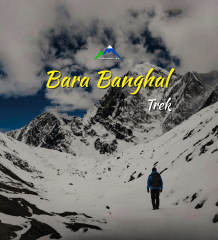
The Bara Bhangal Trek is one of Himachal Pradesh’s most remote and challenging routes, traversing high-altitude trails, rugged terrain, and two major mountain passes—Kalihani and Thamsar. Designed for seasoned trekkers, this itinerary offers an immersive experience into the heart of the Dhauladhar and Pir Panjal ranges, connecting the lush Kullu Valley with the secluded Bara Bhangal village.
Beginning in Manali, the trail ascends gradually through evergreen forests and alpine meadows before crossing the Kalihani Pass (~4,800m), offering dramatic views of glaciated peaks. From here, the route descends into the remote valley of Bara Bhangal—a hidden Himalayan village inhabited by the Gaddi tribe, whose lifestyle remains untouched by mainstream tourism. The cultural and anthropological insights here are as rewarding as the natural beauty.
The journey continues with a second major ascent over Thamsar Pass (~4,700m), leading into the Kangra Valley and eventually concluding near Billing or Baijnath. With constantly shifting landscapes, glacial rivers, and high-altitude campsites, the trek is both physically demanding and spiritually enriching.
If you have been searching for a trek that pushes you past the ordinary hill-station getaway and into the raw, untouched heart of the Himalayas, the Bara Banghal Trek deserves the top spot on your bucket list. At Heaven Riders India, we consider this one of the most electrifying journeys in our entire portfolio — a trail that few trekkers ever attempt and even fewer forget. This is not a trek for casual weekenders. It is a demanding, high-altitude expedition through glaciers, moraines, alpine meadows, and one of the last truly isolated villages in Himachal Pradesh.
In this guide, our team at Heaven Riders India takes you through everything you need to know about the Bara Banghal Trek — its route, difficulty, best season, permits, packing list, and why this trail has earned its reputation as one of the toughest crossover treks in the country.
What is the Bara Banghal Trek?
The Bara Banghal Trek is a legendary high-altitude crossover route that connects the lush Kullu Valley near Manali to the historic Kangra Valley near Bir and Dharamshala. The trail cuts straight across the mighty Dhauladhar and Pir Panjal ranges, taking trekkers through remote alpine terrain that has changed little over centuries.
The trek is often referred to as the “Shepherd’s Trail” because it has been used for generations by Gaddi shepherds who migrate their flocks of sheep and goats between the Kullu and Kangra valleys every summer. Walking this route means literally following in the footsteps of these nomadic herders, sharing campsites with them, and witnessing a way of life that has remained largely unchanged for hundreds of years.
The trek culminates at the village of Bara Banghal itself — one of the most isolated settlements in Himachal Pradesh. This village has no direct road access, and its residents depend entirely on this trail (or an equally arduous route from the other direction) to connect with the rest of the world. Traditional wooden houses, terraced fields, and a way of life untouched by modern tourism make this destination feel like a step back in time.
Why Choose the Bara Banghal Trek with Heaven Riders India?
At Heaven Riders India, we don’t just organize treks — we curate experiences that challenge you physically while immersing you deeply in the culture and landscape of the Himalayas. Here’s why trekkers choose us for the Bara Banghal Trek:
- Experienced high-altitude guides who know the Kalihani and Thamsar passes intimately and prioritize safety on every stretch of the route.
- Well-planned acclimatization schedules to reduce the risk of altitude sickness on a trek that climbs above 4,800 meters.
- Quality camping equipment including insulated tents, sleeping bags rated for sub-zero temperatures, and reliable kitchen setups.
- Small group sizes to keep the experience intimate and reduce our footprint on this fragile alpine ecosystem.
- Local support staff including horsemen and porters familiar with the terrain, many of whom belong to the Gaddi shepherd community themselves.
We believe the Bara Banghal Trek is best experienced with a team that understands both the technical demands of the route and the cultural richness of the region — and that’s exactly what Heaven Riders India brings to the table.
Location and Route Overview
The Bara Banghal Trek typically begins in Manali, one of the most popular hill stations in Himachal Pradesh, and ends near Bir or Dharamshala in the Kangra Valley — though some itineraries run the route in reverse. The trail stretches across roughly 70 to 80 kilometers of high-altitude terrain, taking trekkers from an elevation of around 2,050 meters at the start up to nearly 4,800–4,900 meters at the highest passes.
The journey crosses two formidable high-altitude passes:
- Kalihani Pass – standing at approximately 4,725 to 4,800 meters, this pass is known for its icy, glaciated terrain and demanding moraine sections.
- Thamsar Pass – reaching close to 4,875 meters, this is widely considered the most technically challenging and physically exhausting part of the entire trek.
Between these two passes lies the remote village of Bara Banghal, tucked deep within the Ravi River valley, roughly 15 kilometers from Thamsar Pass.
Key Waypoints Along the Trail
While specific itineraries vary between operators, most Bara Banghal Trek routes pass through the following major camps and landmarks:
- Lama Dugh – a scenic meadow just outside Manali, often the first overnight stop
- Riyali Thach – an alpine pasture that serves as a base before tackling Kalihani Pass
- Kalihani Pass – the first major glacial crossing
- Devi Ki Marhi and Dal Marhi – high-altitude camping meadows used by shepherds
- Bara Banghal Village – the isolated settlement at the heart of the journey
- Thamsar Pass – the final and most demanding crossing
- Plachak and Rajgundha – forested villages on the descent toward Kangra Valley
- Billing/Bir – the endpoint, famous as India’s paragliding capital
Each stage of the trek offers a dramatically different landscape — from dense deodar and pine forests to stark, glacier-carved valleys and finally the terraced farmlands of Kangra.
How Difficult is the Bara Banghal Trek?
Let’s be direct: the Bara Banghal Trek is not for beginners. It is consistently ranked among the most challenging treks in Himachal Pradesh, and for good reason. Here’s what makes it so demanding:
Extreme Altitude Gain
The trek takes you from around 2,050 meters at the base to nearly 4,900 meters at its highest point. This is a massive elevation gain that requires careful acclimatization to avoid altitude-related illnesses.
Long, Strenuous Trekking Days
Trekkers should be prepared for 8 to 9 hours of walking per day, often on steep ascents and knee-jarring descents. There are very few “easy” days on this route — nearly every stage tests your stamina.
Glacier and Moraine Crossings
Both Kalihani Pass and Thamsar Pass involve navigating icy, snow-covered slopes and unstable moraine fields. These sections demand sure footing, mental focus, and often the use of trekking poles or micro-spikes depending on conditions.
Remoteness and Limited Escape Routes
Once you’re past Kalihani Pass and approaching Bara Banghal village, you are genuinely isolated — at least two days’ walk from the nearest road in either direction. This is part of what makes the trek so special, but it also means trekkers need to be self-sufficient, physically prepared, and mentally resilient.
Unpredictable Mountain Weather
Weather at these altitudes can shift rapidly. Trekkers may encounter sudden snowfall, strong winds, or temperature drops even during the peak summer trekking season, so proper gear and flexibility in scheduling are essential.
Given these factors, Heaven Riders India strongly recommends this trek only for those with prior high-altitude trekking experience, ideally above 4,000 meters, along with good physical fitness and stamina built through regular cardio and strength training.
Best Time to Attempt the Bara Banghal Trek
Timing is everything on this trail. The Bara Banghal Trek is only feasible during the summer and early autumn months because the high passes remain buried under snow for most of the year, making the route completely inaccessible.
The ideal trekking window generally falls between late June and early October, with July to September often considered the sweet spot when the snow has sufficiently melted from the passes but the monsoon has not made the trails overly treacherous. Some operators also run departures in the shoulder months of June and October, though conditions can be more unpredictable during these periods.
Attempting this trek outside the summer window is not advisable — heavy snowfall closes the route entirely during winter and early spring, and even during the trekking season, mountain weather should never be underestimated.
Flora, Fauna, and Scenic Highlights
One of the most rewarding aspects of the Bara Banghal Trek is the sheer diversity of landscapes you pass through in a relatively short span of days.
Forests and Meadows
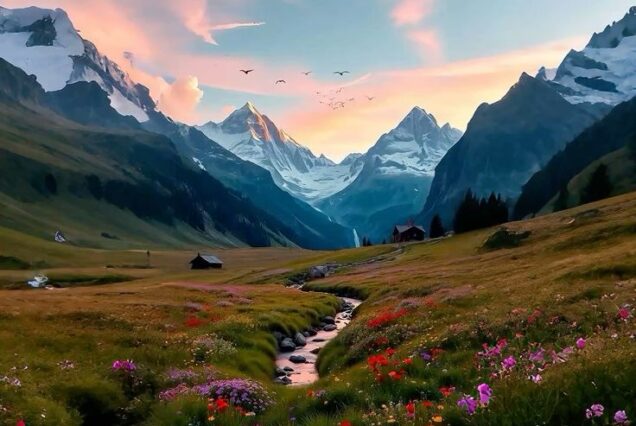
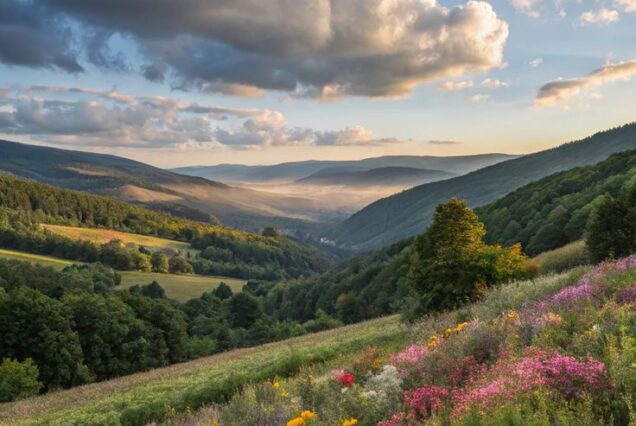
The trek begins amid dense forests of deodar and pine near Manali before opening into expansive alpine meadows carpeted with wildflowers during the summer months. These meadows, known locally as “thachs” or “marhis,” serve as traditional grazing grounds for shepherd communities and offer some of the most photogenic campsites on the route.
Mountain Views
Throughout the trek, you’ll be treated to sweeping views of some of the region’s most iconic peaks, including Indrasan, Deo Tibba, and Hanuman Tibba. The panoramas from Kalihani and Thamsar passes, in particular, offer a rare vantage point over both the Kullu and Kangra valleys simultaneously.
Glaciers and High-Altitude Terrain
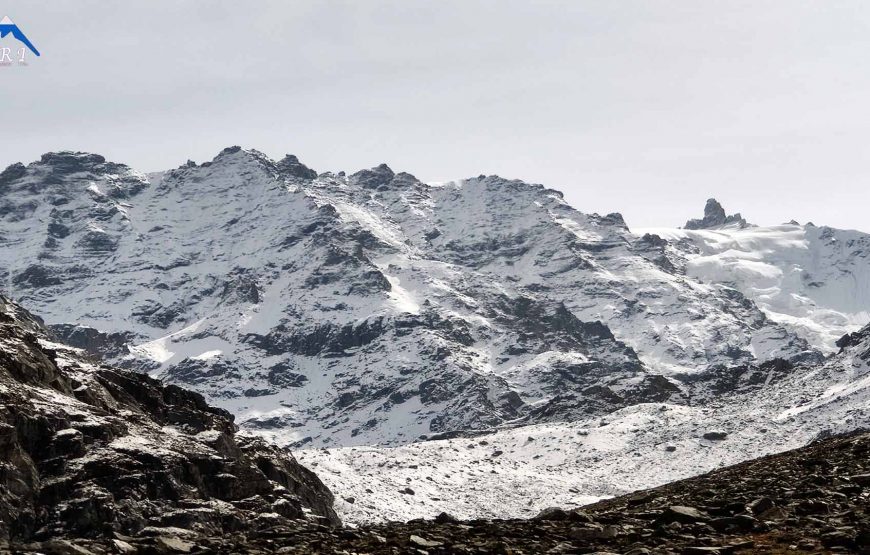
As you climb toward the passes, the landscape transforms into a stark, glaciated environment of ice, snow, and rock — a dramatic contrast to the greenery of the lower valleys.
Wildlife and Birdlife
The alpine zones along the route are home to a variety of Himalayan bird species, and trekkers with sharp eyes may also spot signs of wildlife native to this remote ecosystem.
Bara Banghal Village
Perhaps the most memorable highlight of the entire trek is the village of Bara Banghal itself. With its traditional wooden architecture, terraced agricultural fields, and a rhythm of life shaped entirely by the seasons, the village offers a rare, authentic glimpse into a Himalayan community that has remained largely disconnected from mainstream development.
Essential Packing List
Because the Bara Banghal Trek spans such a wide range of altitudes and conditions, packing smart is critical. Here’s what Heaven Riders India recommends:
Clothing
- Thermal base layers
- Fleece or down jacket for high-altitude camps
- Waterproof and windproof outer shell
- Trekking pants (quick-dry)
- Woolen cap, sun hat, and gloves
- Multiple pairs of moisture-wicking socks
Footwear
- Sturdy, waterproof trekking boots with good ankle support
- Gaiters for snow and moraine sections
Gear
- Trekking poles (highly recommended for glacier and moraine crossings)
- Headlamp with spare batteries
- Sleeping bag rated for sub-zero temperatures
- Daypack (30-40L) and duffel bag for porter/horse transport
Health and Safety
- Personal first-aid kit
- Diamox or other altitude sickness medication (consult your doctor beforehand)
- Sunscreen (high SPF) and lip balm
- Sunglasses with UV protection
Miscellaneous
- Reusable water bottles and water purification tablets
- Power bank
- Personal identification documents
Permits and Preparation
Since the Bara Banghal Trek passes through remote and ecologically sensitive terrain, certain permits and registrations may be required depending on forest department regulations in the Kullu and Kangra districts. Heaven Riders India handles all necessary permit arrangements as part of our trek packages, so you can focus entirely on the journey itself.
We also recommend that trekkers undergo a basic medical check-up before attempting this trek, particularly to rule out any cardiovascular or respiratory conditions that could be aggravated by high-altitude exertion.
Fitness Preparation Tips
Given the intensity of this trek, we suggest starting your fitness preparation at least 6 to 8 weeks in advance. Focus on:
- Cardiovascular endurance: Running, cycling, or swimming for 30-45 minutes, 4-5 times a week
- Strength training: Squats, lunges, and core exercises to build the muscular endurance needed for long descents
- Stair climbing or hill training: Simulates the sustained ascents you’ll face on the trail
- Practice treks: If possible, complete at least one moderate high-altitude trek before attempting Bara Banghal
Why the Bara Banghal Trek Stands Apart
There are countless treks across Himachal Pradesh, but very few offer the combination of remoteness, cultural authenticity, and raw high-altitude challenge that defines the Bara Banghal Trek. This is a route where you’ll walk alongside Gaddi shepherds moving their flocks across ancient migratory paths, camp beneath some of the most dramatic peaks in the western Himalaya, and arrive at a village that feels genuinely disconnected from the modern world.
It’s a trek that rewards preparation, patience, and a real appetite for adventure — and it’s precisely the kind of experience Heaven Riders India was built to deliver.
Book Your Bara Banghal Trek with Heaven Riders India
If you’re an experienced trekker looking for your next serious high-altitude challenge, the Bara Banghal Trek should be at the very top of your list. At Heaven Riders India, we handle every detail — from permits and logistics to expert guides and quality camping equipment — so you can focus on what matters: the trail, the mountains, and the unforgettable moments in between.
Get in touch with our team today to check upcoming departure dates, group sizes, and detailed itineraries for the Bara Banghal Trek. Let Heaven Riders India take you across the Dhauladhar range, through glaciers and meadows, and into one of the last truly hidden corners of the Himalayas.
Ready for the adventure of a lifetime? Contact Heaven Riders India to book your Bara Banghal Trek today.









 Trustindex verifies that the original source of the review is Google.