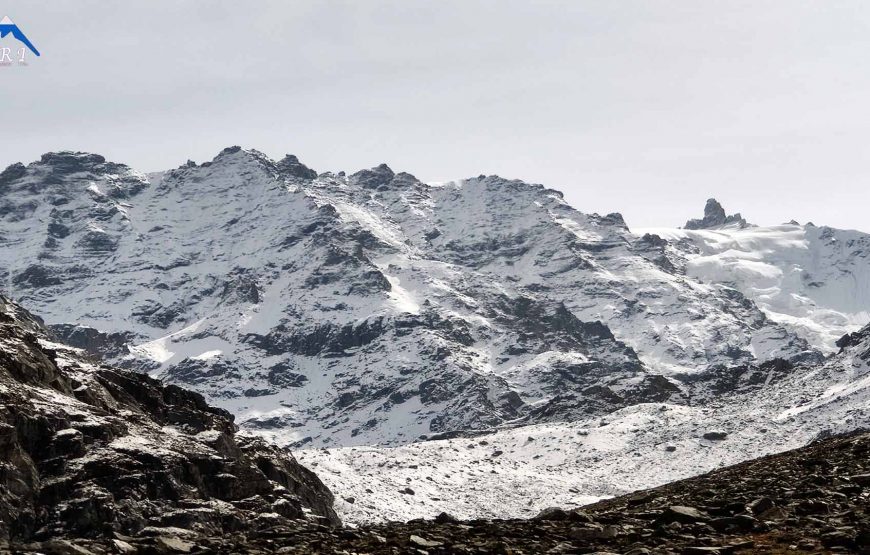
One of the most magnificent treks in the Indian Himalayas is the Rupin Pass Trek. Every day is like a postcard, full of surprises. The Rupin Pass waterfall offers breathtaking views from 13,000 feet, leaving trekkers speechless. Every day, the panorama varies, which is why the walk is at the top of everyone’s bucket list.
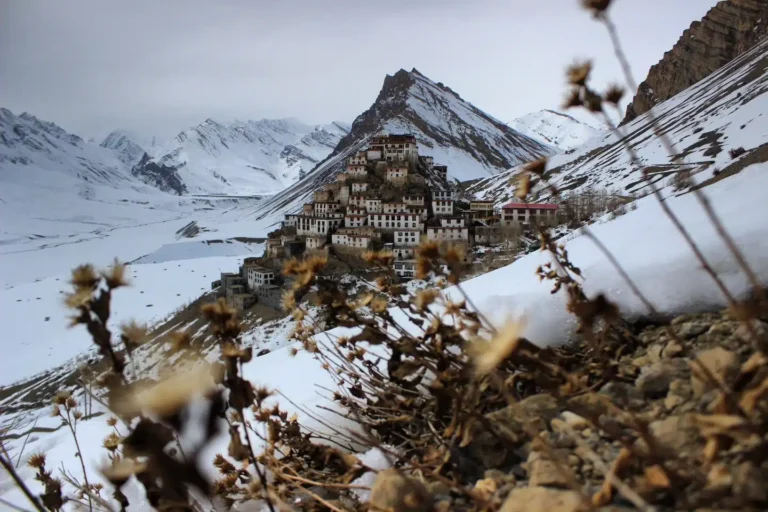
You start the trek from a tranquil village Dhaula in Uttarakhand and the trek in Sangla valley of Kinnaur. The trek takes through the serene villages of Sewa known for its Shiva Temple then Jhakha (also known as the hanging villages) because it is located at the edge of a cliff. The trekkers and adventurers will be astonished to see the ever-changing landscapes from verdant meadows with wildflowers, dense jungles thundering waterfalls to the thrilling pass cross, The Rupin Pass.
The best time to do the Rupin Pass Trek is May to June and September. The trek also shows you the cultural difference between the two states Uttarakhand and Himachal Pradesh.
Heaven Riders India offers you an opportunity to conquer the Rupin Pass trek. The trip starts from Dehradun and ends at ‘Sangla’.
Why the Rupin Pass Trek Is So Popular Among Himalayan Trekkers
Very few treks in India offer the sheer variety that Rupin Pass does. Most high-altitude treks stick to one kind of landscape — either alpine meadows, or glacial valleys, or dense forest. Rupin Pass, on the other hand, takes you through almost every terrain type the Himalayas have to offer, compressed into a single week-long journey.
You begin in the quiet villages of Uttarakhand, walk alongside the Rupin River as it carves its way through the valley, climb past a roaring waterfall that trekkers often call one of the most beautiful sights on any Himalayan trail, cross wildflower meadows that bloom in vivid colors through the summer, and finally make your way up a steep, snow-packed gully to the pass itself. From there, the trail descends into Himachal Pradesh, ending near the picturesque Sangla Valley in the Kinnaur region.
This diversity, combined with the thrill of a genuine high-altitude pass crossing, is what makes the Rupin Pass Trek a bucket-list trek for both intermediate and experienced trekkers.
Rupin Pass Trek Overview
Here is a quick snapshot of what you can expect:
- Starting Point: Dhaula village, Uttarakhand (or Bawta / Sewa, depending on the route)
- Ending Point: Sangla, Himachal Pradesh (with onward travel to Shimla)
- Trek Duration: 7 to 8 days on the trail
- Trek Distance: Approximately 40 to 52 km, depending on the exact route and operator
- Maximum Altitude: Around 15,250 to 15,350 feet (4,650 to 4,679 metres) at Rupin Pass
- Difficulty Level: Moderate to difficult
- Best Time to Visit: Mid-May to June, and September to mid-October
- Base Camp Access: Dehradun on the Uttarakhand side, Shimla on the Himachal side
Because the trek gains close to 3,000 metres in elevation from start to finish, proper acclimatization and physical preparation are essential. This isn’t a trek to attempt on a whim — but with the right guidance, it is well within reach of any reasonably fit trekker.
Rupin Pass Trek Difficulty: What You Should Know
The Rupin Pass Trek is graded as moderate to difficult, and it is genuinely best suited to trekkers who already have some high-altitude trekking experience. It isn’t necessarily a beginner’s first Himalayan trek, though a fit and determined first-timer with proper training can complete it with the right support.
A few things make this trek more demanding than a typical moderate trek:
The pass-crossing day is long and technical. Covering roughly 7 to 12 km in a single push, often over snow and loose scree, the summit day requires stamina, sure footing, and mental resilience.
Altitude gain is significant. Starting from around 1,580 metres and reaching nearly 4,650 metres means your body needs to adjust to thinner air over the course of the trek. This is why acclimatization days and a well-paced itinerary matter so much.
Snow conditions vary. Depending on the season, the Rupin Gully section can involve steep snow slopes that require basic mountaineering caution, sometimes with the use of ropes or micro-spikes.
Weather can change quickly. Like most high-altitude Himalayan treks, conditions at Rupin Pass can shift rapidly, and trekkers need to be prepared for cold temperatures, wind, and occasional snowfall even during the trekking season.
At Heaven Riders India, our trek leaders are trained to assess conditions daily and adjust pacing accordingly, so that difficulty is managed rather than left to chance.
Best Time to Do the Rupin Pass Trek
Timing matters enormously on this trek, since the trail conditions look completely different depending on the season.
May to June (Late Spring to Early Summer): This is the most popular window, and for good reason. The Rupin Waterfall is at its most powerful, snow still blankets the higher sections of the trail including the pass itself, and the meadows are just beginning to bloom. If you want the classic “snow trek” experience, this is your window.
September to Mid-October (Post-Monsoon Autumn): Once the monsoon clears, the trail dries out, skies turn crisp and clear, and the meadows take on beautiful autumn colors. Snow at the pass is less predictable during this period, but visibility and overall trail conditions tend to be excellent.
July and August (Monsoon): This window is best avoided. The trail becomes prone to landslides, river crossings become dangerous, and visibility drops significantly.
November to April (Winter): Heavy snowfall closes the route entirely during these months, making the trek inaccessible.
Our team at Heaven Riders India typically runs Rupin Pass batches across both the May-June and September-October windows, and we’re happy to help you decide which season suits your preferences and experience level better.
How to Reach the Rupin Pass Trek Base Camp
The trek can be approached from either side, though most itineraries begin in Uttarakhand and end in Himachal Pradesh.
From Dehradun: This is the most common starting point. Dehradun is well connected by rail and air from Delhi and other major cities. From here, it’s a scenic road journey of several hours to reach the base village of Dhaula.
From Shimla: If the trek is done in reverse, or as the exit point, Shimla connects easily to Delhi and Chandigarh by road, rail, and air, and is the pickup and drop-off point for the Sangla side of the trek.
We arrange transport for both legs of the journey as part of our trek packages, so you won’t need to navigate unfamiliar mountain roads on your own.
What to Pack for the Rupin Pass Trek
Packing right can make the difference between an enjoyable trek and an uncomfortable one. Here’s a general checklist we recommend to everyone joining our Rupin Pass batches:
- Sturdy, well broken-in trekking shoes with good ankle support
- Warm layers, including a down or fleece jacket for high-altitude nights
- A good quality waterproof and windproof outer shell
- Thermal inner wear for the pass-crossing day
- Trekking poles, which are especially useful on the steep descent after the pass
- Gloves, a warm cap, and a sun hat
- Sunscreen and lip balm, since UV exposure is intense at altitude
- A headlamp or flashlight with spare batteries for the early-morning summit push
- A refillable water bottle and some energy bars or snacks
- A basic personal medical kit, including any prescribed altitude sickness medication
- A daypack for carrying essentials while your main luggage is carried separately (where applicable)
Our team shares a detailed, itemized packing list once you book your trek with Heaven Riders India, along with guidance on rental gear if you don’t already own everything on the list.
Health and Fitness Preparation
Because Rupin Pass involves both distance and altitude, we strongly recommend a structured fitness routine in the weeks leading up to your trek. A good preparation plan typically includes:
- Cardiovascular training such as running, cycling, or swimming, at least 4 times a week
- Stair climbing or hill walking with a loaded backpack to simulate trekking conditions
- Basic strength training focused on legs, core, and back
- A few practice treks or long hikes, ideally at some elevation, in the two months before your trip
If you have any pre-existing medical conditions, particularly related to the heart, lungs, or blood pressure, we recommend a check-up with your doctor before booking. Our trek leaders are trained in basic first aid and altitude sickness management, and we maintain communication with local medical resources throughout the trek route as an added safety measure.
Why Trek Rupin Pass With Heaven Riders India
There are plenty of operators running treks to Rupin Pass, so it’s worth knowing what sets Heaven Riders India apart.
Experienced, safety-first trek leaders. Our guides have walked this trail across multiple seasons and know exactly how conditions shift from year to year, batch to batch, and even day to day. Safety and acclimatization always come before pace.
Thoughtfully paced itineraries. We don’t rush groups through the trek just to save a day. Our schedules build in enough acclimatization and rest to genuinely reduce the risk of altitude sickness.
Small group sizes. Smaller batches mean more personal attention, a lighter footprint on the trail, and a more genuine connection with the mountains and the local communities we pass through.
Quality gear and camping support. From sturdy tents to proper insulated sleeping bags and well-managed campsite logistics, we make sure the physical demands of the trail don’t spill over into discomfort at camp.
Local knowledge and community connection. Many of our support staff and porters are from the villages along the route, which means you get authentic insight into the region, its culture, and its way of life — not just a guided walk through it.
End-to-end support. From permits and transport to packing guidance and post-trek assistance, our goal is to handle the logistics so you can focus entirely on the experience.














 Trustindex verifies that the original source of the review is Google.