0
Your Cart is Empty

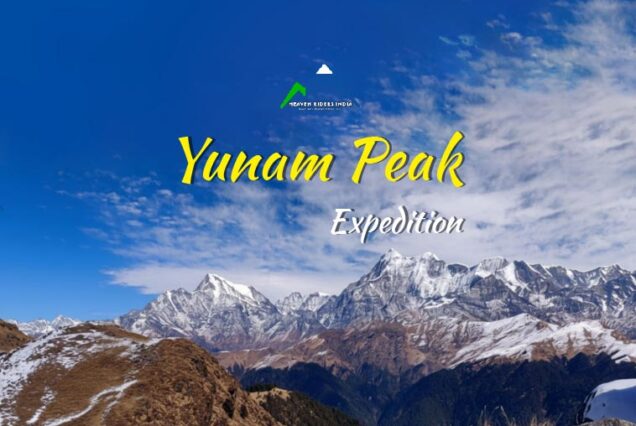
Yunam Peak Expedition

Highest Non-Technical Summit
Facts About Yunam Peak Expedition

Region: Lahaul, Himachal Pradesh
Route: via traditional route
Duration: 7 Days
Hike: 25 km approx.
Altitude: 6,111 m | 20,100 Ft.
Grade: Moderate-Challenging
Best Time: June to Sept
Trip Begin: Manali.
Trip End: Manali.
ATM: Manali & Jispa

Yunam Peak Expedition is a non-technical peak for climbing. It is located near Baralacha pass and lies in Lahaul near Ladakh border in Himachal Pradesh. Yunam Peak Expedition is open for those who are looking for a High-Altitude challenge. Its duration is short and altitude is 6,100 m, which even the most difficult treks in India don’t attain. Climbers must put grit against grit and overcome this hurdle with strong will and determination.

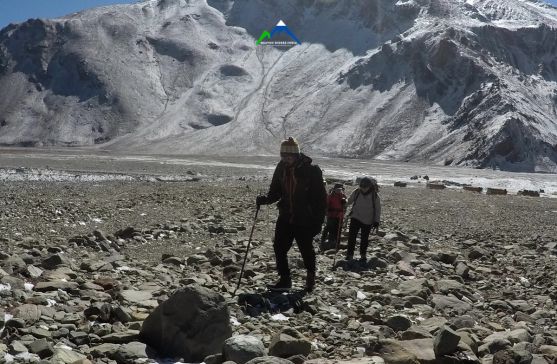
Yunam Peak got its name after the holy lake ‘Yunam Chho’, which is located in the vicinity of the base camp. So, it was a pilgrimage route to the lake at earlier times, but now Yunam Peak Expedition is a highly recommended non-technical peak expedition. The actual climbing starts from Bharatpur, to where we can approach by taxi. The route is mixed with snow tracks, scree, and heaps of sharp loose rocks.
Yunam Peak Expedition climb demands substantial fitness levels including some experience of high-altitude trekking. Climbers must put grit against grit and overcome this hurdle with strong will and determination. Yunam Peak is a rare six-thousand Himalayan trekking destination of a similar category to Stok Kangri & Kanamo Peak. As Yunam Peak is 20,000 ft high, proper acclimatization before summit push is a must.

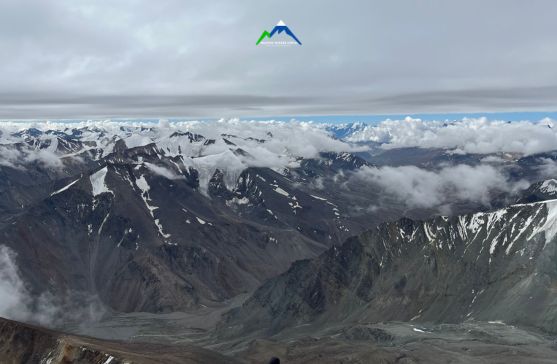
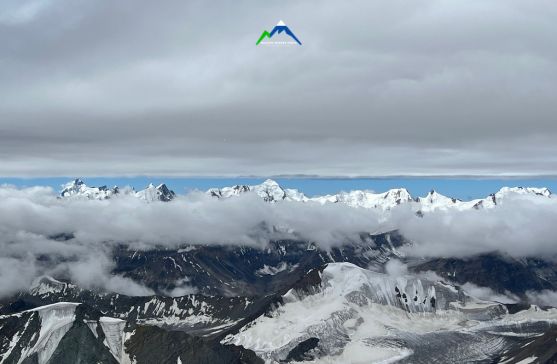
Yunam Peak lies in Zanskar range within Trans Himalayas and to the north of Great Himalaya and south of Ladakh range. What this means is, from the summit you can see a vast stretch of Lahaul and Spiti area including Chandra-Bhaga (CB peaks) and Mulkila range peaks facing south – south west and Zanskar range peaks to your east, north east.

How to Reach Manali

Manali is a famous tourist destination & hub of adventure sports in India. This Himalayan town is situated 2,000 meters above sea level on the banks of Beas River. Manali is a gateway to Lahaul and Spiti as well as Leh-Ladakh. Yunam Peak Expedition levels up your adrenaline rush.
Nearest Airport: Bhuntar Airport is the nearest airport. It is situated on NH21 about 50 km from Manali. Air India has regular flights to the airport from New Delhi.
Helicopter taxi service: Pawan Hans the Government of India charter agency provides heli-taxi service connecting Shimla to Chandigarh, Kullu and Dharamshala.

Nearest Railway Station: There is no close rail-head available close to Manali. The nearest broad-gauge rail-heads are at Kiratpur Sahib 268 km, Kalka 275 km, Chandigarh 310 km.

By Road: Manali can be reached from Delhi. The road distance from Delhi to Manali is 570 km. Luxury buses including semi-sleeper Volvos usually ply overnight on this route, which is best and cheapest for solo travelers. One can hire a taxi from Delhi to reach Manali.

What’s App/Call +91 73800 87934 or write to us at heavenridersindia@gmail.com

Highlights

  • GREAT ALTERNATE TO STOK KANGRI & KANG YATSE 2, KANAMO
  • HIGHEST NON-TECHNICAL SUMMIT
  • RARE SIX-THOUSANDER HIMALAYAN TREKKABLE PEAK
  • GRAND VIEWS OF CHANDRA-BHAGA AND MULKILA PEAKS

Extra Content

Yunam Peak Expedition is a non-technical peak for climbing. It is located near Baralacha pass and lies in Lahaul near Ladakh border in Himachal Pradesh. Yunam Peak Expedition is open for those who are looking for a High-Altitude challenge. Its duration is short and altitude is 6,100 m, which even the most difficult treks in India don’t attain. Climbers must put grit against grit and overcome this hurdle with strong will and determination.

Yunam Peak got its name after the holy lake ‘Yunam Chho’, which is located in the vicinity of the base camp. So, it was a pilgrimage route to the lake at earlier times, but now Yunam Peak Expedition is a highly recommended non-technical peak expedition. The actual climbing starts from Bharatpur, to where we can approach by taxi. The route is mixed with snow tracks, scree, and heaps of sharp loose rocks.
Yunam Peak Expedition climb demands substantial fitness levels including some experience of high-altitude trekking. Climbers must put grit against grit and overcome this hurdle with strong will and determination. Yunam Peak is a rare six-thousand Himalayan trekking destination of a similar category to Stok Kangri & Kanamo Peak. As Yunam Peak is 20,000 ft high, proper acclimatization before summit push is a must.

Yunam Peak lies in Zanskar range within Trans Himalayas and to the north of Great Himalaya and south of Ladakh range. What this means is, from the summit you can see a vast stretch of Lahaul and Spiti area including Chandra-Bhaga (CB peaks) and Mulkila range peaks facing south – south west and Zanskar range peaks to your east, north east.

How to Reach Manali

Manali is a famous tourist destination & hub of adventure sports in India. This Himalayan town is situated 2,000 meters above sea level on the banks of Beas River. Manali is a gateway to Lahaul and Spiti as well as Leh-Ladakh. Yunam Peak Expedition levels up your adrenaline rush.
Nearest Airport: Bhuntar Airport is the nearest airport. It is situated on NH21 about 50 km from Manali. Air India has regular flights to the airport from New Delhi.
Helicopter taxi service: Pawan Hans the Government of India charter agency provides heli-taxi service connecting Shimla to Chandigarh, Kullu and Dharamshala.

Nearest Railway Station: There is no close rail-head available close to Manali. The nearest broad-gauge rail-heads are at Kiratpur Sahib 268 km, Kalka 275 km, Chandigarh 310 km.

By Road: Manali can be reached from Delhi. The road distance from Delhi to Manali is 570 km. Luxury buses including semi-sleeper Volvos usually ply overnight on this route, which is best and cheapest for solo travelers. One can hire a taxi from Delhi to reach Manali.

What’s App/Call +91 73800 87934 or write to us at heavenridersindia@gmail.com

Highlights

  • GREAT ALTERNATE TO STOK KANGRI & KANG YATSE 2, KANAMO
  • HIGHEST NON-TECHNICAL SUMMIT
  • RARE SIX-THOUSANDER HIMALAYAN TREKKABLE PEAK
  • GRAND VIEWS OF CHANDRA-BHAGA AND MULKILA PEAKS

Tour Plan

Day 01 Arrive Manali and transfer to Jispa | 3200 m

10 am | Briefing/orientation about Expedition, check list.

Shop/Rental essentials at Manali.

12 noon, Drive 95 km, 4-5 hours

Check-in & rest (Phone network available)

Day 02 Jispa to Bharatpur | 4500 m

Drive 90 km, 5 hours, via Baralacha La 4850 m

Spend one hour at Baralacha with a height gain hike

Arrive by afternoon, establish camp & height gain

Practice Mountaineering techniques like ascend and descent techniques,
gear up, rope fixing & rope up, team arrest & self arrest.

Overnight stay at camps

Day 03 Acclimatization & Load Ferry to summit camp | 5250 m

Post breakfast, acclimatization

Difficult for inexperienced trekkers

Load ferry to summit camp

Work high sleep low

Day 04 Establish Summit Camp | 5250m

Start early and establish summit camp

5 km, 5 hours, establish camps

Relaxing & sleeping during daytime is not advisable

Overnight stay at camps

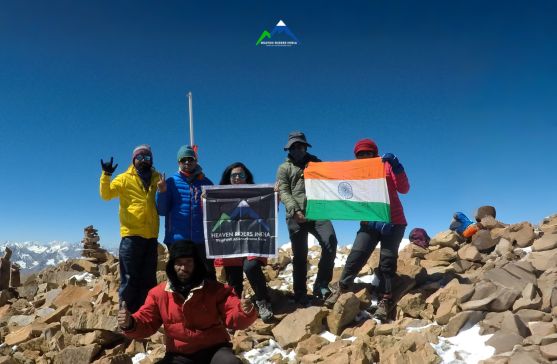
Day 05 Summit day | 6111m

Wake at 1 am, breakfast and start by 2 am.

Moraines & sharp rocks, snow patches and a snow wall with a steep ascent

6 km trek, 7-8 hrs | 3-4 litres water per climber

View from the top is jaw-dropping

Pinnacles of CB - Chandra Bhaga Range and Mulkilla Range

Back to Summit Camp and rest

Day 6 Descend to Bharatpur, Drive to Manali.

Final day of the Yunam Peak Expedition

5 km trek, 2 hrs, drive to Manali, 175 km 7-8 hr

Reach Manali by 6 pm, drop at Volvo Stand Manali

Plan your further travel after 7 pm

Day 07 Buffer Day

Only to be used in case of bad weather on summit day/summit attempt

Included/Excluded

  • Fees & Permit-Forest Camping permit & fees and others
  • Accommodation - all days in camps during expedition
  • Meals - All meals during trek itinerary
  • starting from day 1 dinner at Jispa to last day lunch
  • high altitude pack foods above to Advance Base Camp
  • Transfer/Transportation as per itinerary
  • Expert Professional Lead Guide
  • Mountain Staff: Cook, Helper, Porters, & other support staff
  • High Altitude Camping Equipment: Tents, Sleeping Bags, Mattress, Kitchen Utensils, etc as required
  • All meals are Veg with eggs: Indian, Chinese & Continental.
  • Mountain Medical Kit with portable oxygen
  • Technical & safety equipment: Ropes, Sling, Helmet, Ice Axe, Jumar, Pitons, Crampons, Mountaineering Boots, Carabiners, Descender, Anchors, Shovels as required
  • Portage of all the equipment/ supplies to & from Base Camp.
  • Any services not mentioned in the inclusions
  • Any insurance, emergency evacuation or rescue charges, any cost of hospitalization.
  • Any change in itinerary, cost arises due to road blockage, natural calamity, sudden halt or any cost beyond our control to be borne by climber/you
  • Expenses personal in nature like mountain tips, mineral water, drinks, snacks/meals, refreshments not mentioned in the inclusions
  • Personal equipment porterage/off-loading; trekking gear, clothes, sleeping bag, climbing gear, climbing shoes, personal medical kit etc. Available on Extra cost, ask while bookings.
  • Insurance or liability for injury, death, accidents, or loss of property.
  • IMF Peak Booking Fee for foreign nationals (roughly USD 500 per person), and Mandatory Liaison Officer Fee for foreign expeditions (USD 500) as per IMF.
  • Taxes
Things to Carry

Headwear & Accessories

  • Woolen Cap – 1
  • Sun Cap / Hat – 1
  • Gloves – 1 pair
  • Socks – 3 pairs
  • Woolen Socks – 1 pair
  • UV Protected Sunglasses – 1 (Mandatory)

Clothing (Upper Body)

  • Wind & Waterproof Jacket – 1
  • Fleece Jacket – 1
  • Jacket – 1
  • Collared Full Sleeve T-Shirt – 2
  • Neck Warmer – 1

Bottom Wear

  • Trekking Pant – 2

Footwear

  • Waterproof Trekking Shoes with good grip

Food & Hydration

  • Dry Ration (ORS, Dry Fruits, Chocolates, Protein Bars, etc.)

Medical Essentials

  • Personal Medicines (as per medical advice)
  • Inhalers (for asthma sufferers)

Personal Toiletries

  • Toothpaste
  • Toothbrush
  • Face Wash
  • Hand Sanitizer
  • Cold Cream
  • Sunscreen Lotion
  • Lip Balm / Lip Guard
  • Quick Dry Towel
  • Toilet Paper

Equipment & Essentials

  • Head Lamp – 1 (Mandatory)
  • Four extra pairs of batteries
  • Power Bank (for mobile & camera)
  • Water Bottle – 2 (Mandatory)

Bags & Storage

  • Rucksack (40 Ltrs) with rain cover
  • Daypack (20 Ltrs) with rain cover

Rain Protection

  • Poncho / Rain Suit – 1 (Mandatory)
Mandatory Documents
  • Original & Copy of Valid Govt. Id (any of Passport/Aadhaar Card)
  • Medical Certificate from registered Medical Practitioner (Minimum MBBS)
  • Passport size photograph – Valid passport and visa required for Foreign
Health & Fitness 

Trekking demands strong cardiovascular endurance, leg power, core stability, and overall stamina to handle long hours on steep, uneven, and rocky terrain. Depending on the difficulty level, trekkers should ideally be capable of jogging 4–7 km in 20–40 minutes.

Preparing your body in advance significantly enhances safety, performance, and enjoyment during the trek.

Core Physical Fitness Requirements

1. Cardiovascular Endurance

Strong heart and lung capacity are essential, especially for high-altitude treks where oxygen levels are lower.

Training Goal:

  • 30–60 minutes of cardio
  • 4–5 days per week
  • Activities: Jogging, running, brisk walking, swimming, or cycling

2. Leg Strength

Powerful legs are crucial for ascending steep slopes and descending uneven, rocky paths.

Focus Exercises:

  • Squats
  • Lunges
  • Step-ups
  • Calf raises

3. Core & Upper Body Strength

A strong core and upper body help you carry a backpack comfortably for extended hours.

Recommended Exercises:

  • Planks
  • Push-ups
  • Overhead presses
  • Back extensions

4. Flexibility & Stamina

Flexibility reduces muscle stiffness, prevents injury, and improves endurance.

Include:

  • Yoga
  • Dynamic stretching before workouts
  • Static stretching post-workout

Training & Preparation Tips

Stair Climbing

One of the most effective ways to simulate trekking conditions. It prepares you for both ascent and descent.

Load Training

Practice walking with a weighted backpack to replicate real trek conditions.

Rest & Recovery

Allow proper recovery time. Include at least 1–2 rest days per week to prevent overtraining.

Health Check-Up

Consult a medical professional before high-altitude treks, especially if you have:

  • Asthma
  • Hypertension
  • Heart conditions
  • Respiratory concerns

Sample Weekly Training Plan (Example)

Monday / Wednesday / Friday
→ 30–45 minutes brisk walk, jogging, or uphill walking

Tuesday / Thursday
→ Strength training (Squats, Lunges, Planks, Push-ups)

Saturday
→ Long-duration hike or extended stair-climbing session

Sunday
→ Rest day or light stretching / yoga

Key Preparation Goals

  • Build endurance to comfortably carry a weighted backpack for 3–4 hours
  • Achieve the ability to jog 5 km in under 30 minutes (for moderate treks)
  • Begin structured training 4–8 weeks before your trek
Cancellation Policy

Yunam Peak Expedition Policies

Confirmation Policy

  • The customer receives a confirmation voucher via email within 24 hours of successful booking
  • In case the preferred slots are unavailable, an alternate schedule of the customer’s preference will be arranged and a new confirmation voucher will be sent via email.
  • Alternatively, the customer may choose to cancel their booking before confirmation and a full refund will be processed.

Cancellation Policy

  • Booking amount is strictly non-refundable in all cases.

  • Cancellation requests must be made via email only (reply to your payment receipt email). No cancellations will be accepted via call or WhatsApp.

Refund Structure:

  • Up to 30 days before departure: 10% deduction (gateway & bank charges).

  • 30 to 15 days before departure: 50% deduction.

  • Within 15 days of departure: No refund.

Important Notes:

  • No refund will be provided for cancellations due to bad weather, natural calamities, government restrictions, roadblocks, strikes, landslides, lockdowns, or other unforeseen circumstances beyond our control.

  • If the trip is cancelled by us due to insufficient participants, a full refund will be issued (excluding add-ons such as rentals, insurance, porterage, transport, etc.).

  • Any additional expenses due to delays, extended stay, weather, or emergencies must be borne by the participant.

  • Refunds (if applicable) will be processed within 10 working days to the original payment method.

For More Info: https://heavenridersindia.com/cancellation-policy/

Payment & Booking Policy

  • To confirm your slot, an advance payment of INR 10,000 per person is required via Bank Transfer or UPI.

  • The remaining balance must be paid at least 7 days prior to the pickup date.

  • The booking amount is strictly non-refundable in all cases.

  • After making the payment, please email the transaction details/receipt to:
    heavenridersindia@gmail.com for booking confirmation.

For More Info: https://heavenridersindia/payment-policy/

Package Options

Frequently Asked Questions

What is the height of Yunam Peak?
Yunam Peak stands at approximately 6,111 meters (20,046 feet) above sea level in the Lahaul region of Himachal Pradesh, India. It is considered one of the highest non-technical trekking peaks in India, making it popular among climbers attempting their first 6000-meter summit.
Where is Yunam Peak located?
Yunam Peak is located in the Lahaul region of Himachal Pradesh, near the famous Baralacha La Pass on the Manali–Leh highway. The expedition usually begins from Manali and reaches Bharatpur, which serves as the base for the climb.
What is the best time for the Yunam Peak Expedition?
The best time to climb Yunam Peak is from June to September, when the mountain passes are open and the weather is relatively stable. Post-monsoon months such as September offer clearer skies and better summit conditions.
Is Yunam Peak suitable for beginners?
Yes, Yunam Peak is often regarded as an ideal first 6000-meter peak for beginners in mountaineering. Although technical climbing skills are not required, climbers should have prior high-altitude trekking experience and good physical fitness.

Tour Map

Why Heaven Riders India

Safety First, Always
Well-Planned Itineraries with Acclimatization
Responsible & Sustainable Travel
Medical Preparedness on High Altitudes

Blog & Updates

Articles, Tips, News & Updates

Want To Stay In Touch With Heaven Riders?

We have terrific mountain travel tips, outdoors hacks, travel talks & updates to look forward to.