
The Manimahesh Yatra | A Divine Calling for Every Shiva Bhakt
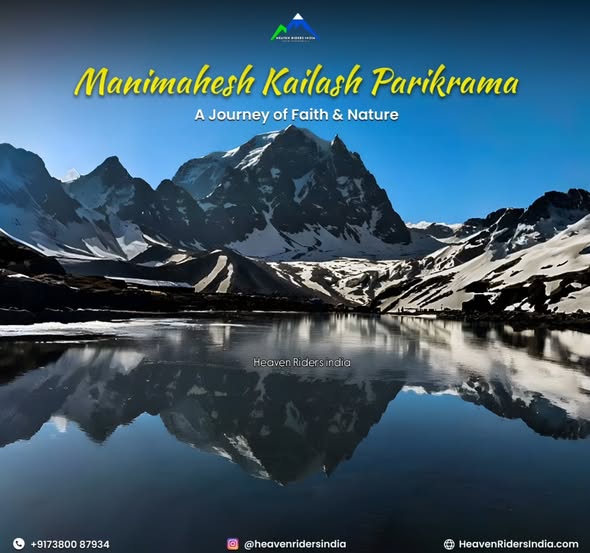
Manimahesh Yatra is not just a trek in Himalaya; it’s a soulStringEncoding experience of every devotees of Lord Shiva. This breathtaking view of Lake Manimahesh is supported by its stunning background of snow-capped mountains in the Himalayas as well as being (every August/September) part of Manimahesh Yatra Pilgrimage to Chamba Kailash (second only to Mansarovar).
The holy call to which saints, pilgrims and trekkers have been responding for generations is a march through rough mountain ways, with devoted heart and Shiva on the lips.
Manimahesh Yatra holds Spiritual.
According to Hindus, Manimahesh is one of the holy abodes of Lord Shiva known as Panch Kailash. Behind the lake, the mighty peak of Kailash is believed to be the earthly abode of Lord Shiva. A natural Shivling that appears as a formation of stone is believed as his manifestation.
The Blessed Manimahesh Yatra has been solely devoted to Lord Shiva, who grants each devotee with help, if they undertake the pilgrimage with fidelity and purity of heart. The snow-covered ground at the base of the Manimahesh is known by locals as the Shiva Chaugan, and adds to the spiritual beauty of the area.
Finding Paths to Manimahesh Lake
- Manimahesh Lake can be accessed via multiple traditional pathways, historically developed and culturally significant pathways.
- The Pilgrims of Lahaul-Spiti will usually use the Kugti Pass Pathway to arrive at Manimahesh Lake.
- Via Bharmaur-Hadsar (Easiest Route) – Most popular and Recommended
- The easiest and most commonly adopted route for Manimahesh Yatra begins from Chamba via Bharmaur and Hadsar village.
The Trek Goes: Hadsar to Manimahesh Lake
The final habitation marks the initiation of the trek, which usually takes about 15 kilometers distance to reach the lake.
Some Important Points on the Way.
Dhancho is a camping location with beautiful water falls.
There is a sacred place associated with Goddess Parvati, as well as the wife of Lord Shiva, and it is called ‘Mother Gauri Temple’ or Gaurikund. There is good hiking in the region, and it offers beautiful views of the Himalayas with mountains covered with snow, rolling hills, valleys, rivers, and fields.
The difficulty level of Manimahesh Yatra trekking has been categorised as ‘MODERATELY EASY’ or ‘MODERATE’ on a scale of difficulty on the basis of elevation, and thus it must be safe for a beginner in hiking but with average skills and abilities at least to attempt this trekking.
Time of Year to Visit Manimahesh Yatra
The starting point for the pilgrimage season is usually from June through the end of September, depending on conditions. During the festival time of Krishna Janmashtami, however, there can be thousands of pilgrim participants to complete their yatra and, consequently, more than one billion people are estimated to have completed their pilgrimage within this short-intense period of time.
The Himachal Pradesh State Government will offer assistance, in the form of medical assistance, shelter arrangements, food stands, security, and will consider the Manimahesh Yatra as a state-sponsored event, during these times.
Experience Beyond Religion
The yatra offers an opportunity for spirituality and is also a source of joy for nature lovers and trekkers. To be able to see the beauty and peacefulness of the Himalayas, along with the spiritual connection that all the people shared as they arrived at this pilgrimage site through a collective effort is truly awe inspiring.
The community that can be experienced by being in the presence of other devotees along the path of the Manimahesh Yatra walking with saints, villagers, sadhus or like-minded individuals is an experience not shared by most pilgrimages.
Manimahesh Yatra Relevance
In today’s technology driven society, this holy pilgrimage allows you to disconnect from technology and connect to your spirituality and to the nature that surrounds you while connecting with yourself. The journey or pilgrimage challenges you to have patience, endurance and faith, which are the three main criteria of true devotion.
Completing the Manimahesh Yatra is often referred to as changing the life for of those that completed it, giving them the peace of mind and fulfillment that many look for in their lives.
Questions That Usually Get Asked (FAQs)
- What is the religious meaning of the Manimahesh Yatra?
The yatra is intended for Lord Shiva and consists of one of the five great siva pilgrimages called Panch Kailash pilgrimages (great Shiva). The Manimahesh Yatra is believed to be part of the Kailash Lord Shiva.
- Can beginners do the Manimahesh Yatra?
Yes. A beginner can complete the yatra with minimum strength and a good approach to acclimatization.
- What are the total distance of the yatra?
From HADsAR (the nearest village) to Manimahesh Lake you need to trek total distance of 15 km.
- When is best time to visit Manimahesh Lake?
The best time to visit will be between June and September because Janmashtami is when most people visit this sacred location to perform their pilgrimage.
- Are the facilities during the Yatra available?
The government makes medical assistance, food stalls, tents, and security available en route during the pilgrimage season.
Final words
The Manimahesh Yatra is a combination of nature, religion and mythology and it’s something everyone should always remember. If you believe in Lord Shiva, are searching for meaning in life or just want to have fun – the experience you will gain from Manimahesh will be something you will not forget.
Listen to what your heart tells you while at Mount Kailash; this will help guide where you need to go as you continue on your own path as a devoted person. By being influenced by the positive energy which is present at Manimahesh, you will be able to guide your spirit during its own journey.





Comment (0)