Tucked away in the trans-Himalayan belt of Himachal Pradesh, Tribal Kinnaur Spiti is one of India’s most breathtaking yet least explored travel circuits. This is a land where ancient monasteries cling to cliff edges, apple orchards give way to cold desert valleys, and centuries-old tribal traditions still shape everyday life. At Heaven Riders India, we specialize in curating unforgettable journeys through this remarkable region, offering travelers an authentic blend of adventure, culture, and raw Himalayan beauty.
Whether you are a seasoned biker chasing high-altitude passes, a photographer hunting for surreal landscapes, or a traveler seeking spiritual solitude, a trip through Tribal Kinnaur Spiti promises an experience unlike anything else in India.
Why Tribal Kinnaur Spiti Deserves a Place on Your Travel Bucket List
Most travelers to Himachal Pradesh stick to the well-trodden paths of Shimla, Manali, and Dharamshala. But beyond these popular hill stations lies a hidden world — the tribal belt of Kinnaur and Spiti Valley. This region is officially recognized as a tribal area, home to communities that have preserved their unique customs, languages, and way of life for generations, largely untouched by mainstream modernization.
The Tribal Kinnaur Spiti circuit offers a rare combination:
- Dramatic landscapes ranging from lush green valleys to barren moonscapes
- Ancient Buddhist monasteries dating back over a thousand years
- Warm, welcoming tribal communities with rich oral traditions
- High-altitude villages that rank among the highest inhabited places in the world
- A sense of remoteness and authenticity that is increasingly rare in modern travel
For those looking to escape crowded tourist destinations and experience something genuinely offbeat, this region is unmatched.
Understanding the Geography: Kinnaur and Spiti
Kinnaur Valley
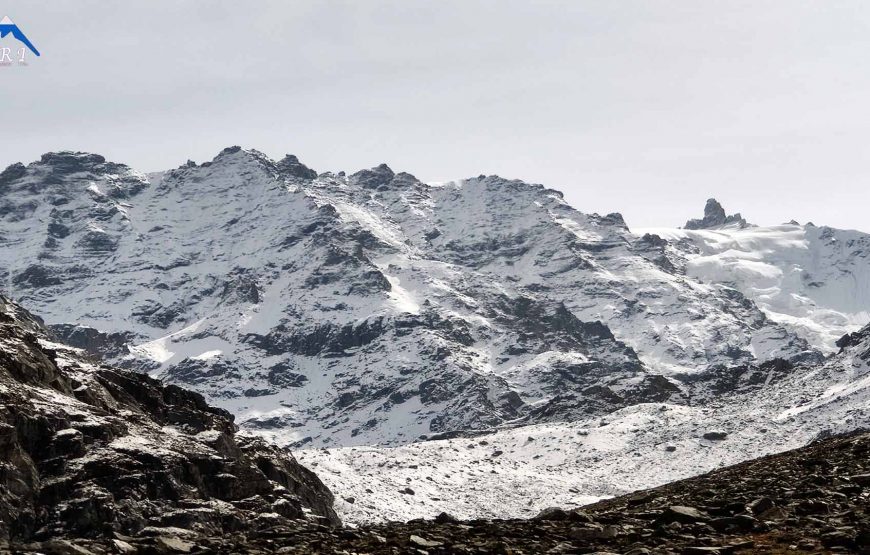
Kinnaur is the gateway to the tribal Himalayas, located along the old Hindustan-Tibet Road. As you travel through Kinnaur, the landscape transforms dramatically — from the pine forests and apple orchards near Sangla and Kalpa to the dry, rugged terrain closer to the Tibetan border. The valley is watched over by the mighty Kinner Kailash range, considered sacred by both Hindus and Buddhists.
Villages like Kalpa, Sangla, Chitkul, and Nako offer a glimpse into a culture where Hinduism and Buddhism coexist harmoniously. Chitkul, in particular, holds the distinction of being the last inhabited village near the Indo-Tibet border, and it remains a favorite stop for travelers exploring Tribal Kinnaur Spiti.
Beyond Kinnaur lies Spiti, often described as a “little Tibet” for its striking resemblance to the Tibetan plateau. Spiti is a cold desert valley marked by stark mountains, deep gorges, and clear blue skies. It is home to some of the oldest and most revered Buddhist monasteries in India, including Key Monastery, Tabo Monastery, and Dhankar Monastery.
Villages such as Kaza, Langza, Hikkim, and Komic are scattered across this high-altitude terrain, with Komic often cited as one of the highest motorable villages in the world. The Spiti Valley experience is as much about spirituality and silence as it is about adventure.
Together, Kinnaur and Spiti form a seamless tribal belt that offers travelers a complete Himalayan experience — one that blends natural beauty, spiritual depth, and cultural richness.
The Tribal Culture That Defines This Region
What truly sets Tribal Kinnaur Spiti apart from other Himalayan destinations is its living tribal heritage. The Kinnauri and Spitian communities have their own distinct customs, festivals, attire, and belief systems, shaped by centuries of relative isolation and their unique position between the plains of India and the Tibetan plateau.
Kinnauri Culture
The Kinnauris are known for their distinctive round caps with a colored band, intricate woolen shawls, and a unique blend of Hindu and Buddhist religious practices. Many villages celebrate vibrant local festivals featuring folk music, traditional dance, and rituals dedicated to local deities. The famous Kinnauri apples and dry fruits also form an important part of the local economy and culture.
Spitian Culture
The Spitians, predominantly Buddhist, follow a lifestyle deeply influenced by Tibetan Buddhism. Life in Spiti revolves around monasteries, prayer flags, and seasonal agricultural cycles. Monks and monasteries play a central role in community life, and ancient festivals like the Losar (Tibetan New Year) bring the entire valley together in celebration.
Traveling through this region with Heaven Riders India gives you the opportunity to interact with local communities, visit centuries-old monasteries, and witness traditions that have remained largely unchanged for generations — an experience far removed from conventional tourism.
Top Attractions in Tribal Kinnaur Spiti
Set against the backdrop of the Kinner Kailash peak, Kalpa is known for its apple orchards, old wooden temples, and panoramic mountain views. It was once the summer capital of the erstwhile Bashahr kingdom and remains one of the most scenic villages in Kinnaur.
2. Chitkul
The last village on the Indo-Tibet border route, Chitkul is famous for its wooden houses, the Baspa River flowing alongside, and its status as one of the most picturesque villages in Himachal Pradesh.
3. Nako Village and Lake
A serene high-altitude village with a sacred lake surrounded by willow trees, Nako is a peaceful stop that also houses centuries-old monasteries with rare wall paintings.
4. Key Monastery
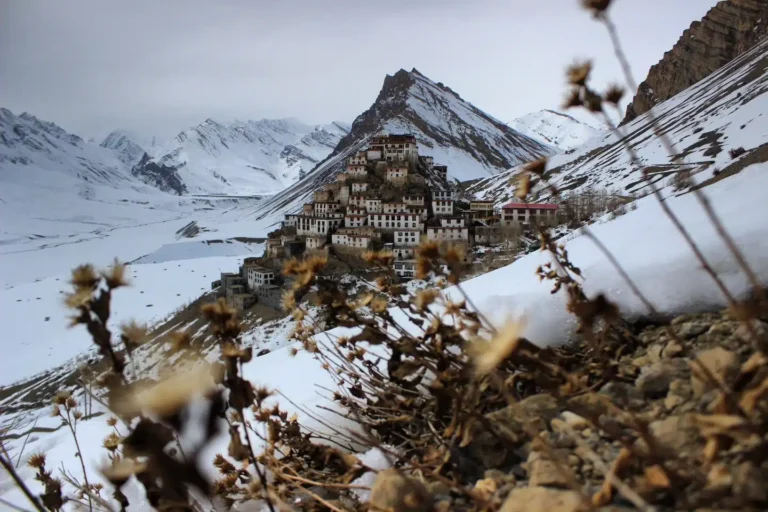
One of the largest and oldest monasteries in Spiti, Key Monastery is a photographer’s dream, perched dramatically on a hilltop overlooking the Spiti River.
5. Kaza
The commercial hub of Spiti Valley, Kaza serves as a base for exploring surrounding villages and offers a mix of local markets, cafes, and monasteries.
6. Langza, Hikkim, and Komic
Known collectively as the “fossil village,” “highest post office in the world,” and “highest motorable village,” this trio of villages offers surreal landscapes, ancient marine fossils, and record-breaking altitudes.
7. Tabo Monastery
Often referred to as the “Ajanta of the Himalayas,” Tabo Monastery is over a thousand years old and houses some of the finest examples of Buddhist art and manuscripts in the region.
8. Dhankar Monastery and Lake
Perched precariously on a cliff, Dhankar offers breathtaking views of the confluence of the Spiti and Pin rivers, along with a short trek to the pristine Dhankar Lake.
9. Chandratal Lake
Though technically on the fringes of Spiti, no journey through this region is complete without a visit to the crescent-shaped Chandratal Lake, one of the most photographed high-altitude lakes in India.
Best Time to Visit Tribal Kinnaur Spiti
Timing plays a crucial role in planning a trip to this high-altitude region. The best window to explore Tribal Kinnaur Spiti is typically between May and October, when the mountain passes are open and roads are accessible.
- May to June: Ideal for pleasant weather and blooming landscapes, though some high passes may still be snow-covered.
- July to August: Monsoon season in most of India but relatively dry in Spiti due to its rain-shadow location; however, Kinnaur can experience landslides during this period.
- September to October: Considered the best time by many travelers, offering clear skies, stable weather, and stunning autumn colors.
- Winter (November to April): The region becomes largely inaccessible due to heavy snowfall, with many roads closing completely. Only a few operators offer specialized winter expeditions to Spiti during this period.
At Heaven Riders India, we help travelers choose the ideal season based on their interests, whether it’s chasing green landscapes, capturing golden autumn hues, or experiencing a rare winter expedition.
Planning Your Trip with Heaven Riders India
Traveling through Tribal Kinnaur Spiti requires careful planning due to its remote location, high-altitude terrain, and limited infrastructure. This is where Heaven Riders India steps in as your trusted travel partner.
What We Offer
- Customized Itineraries: Whether you prefer a motorcycle expedition, an SUV road trip, or a slower-paced cultural tour, we design itineraries tailored to your preferences and travel style.
- Experienced Local Guides: Our guides are well-versed in the region’s terrain, culture, and history, ensuring both safety and a deeper understanding of the places you visit.
- Permit Assistance: Certain areas near the Indo-Tibet border require special permits. We handle all the necessary documentation so you can travel hassle-free.
- Well-Maintained Vehicles and Bikes: For those opting for motorcycle tours, we provide well-serviced bikes suited for high-altitude riding, along with backup support vehicles.
- Comfortable Stays: From cozy homestays in tribal villages to comfortable guesthouses in Kaza and Kalpa, we ensure a good balance of authenticity and comfort throughout your journey.
- Safety First Approach: Given the challenging terrain, altitude sickness risks, and unpredictable weather, our team prioritizes traveler safety with proper acclimatization schedules and emergency support.
Popular Trip Formats
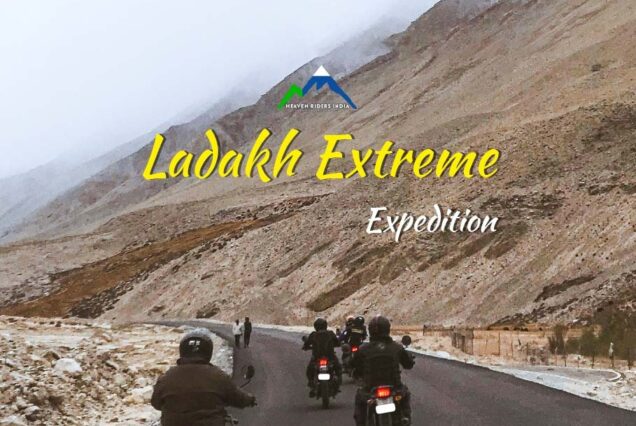
- Kinnaur Spiti Bike Trip: A thrilling motorcycle expedition through some of the highest motorable roads in the world, perfect for adventure enthusiasts.
- Kinnaur Spiti Circuit by Road: A comfortable SUV-based journey ideal for families, groups of friends, or first-time visitors to the region.
- Cultural and Monastery Tour: A slower-paced itinerary focused on exploring ancient monasteries, tribal villages, and local traditions.
- Photography Expeditions: Specially designed trips for photographers looking to capture the region’s dramatic landscapes, night skies, and cultural moments.
Travel Tips for Exploring Tribal Kinnaur Spiti
- Acclimatize Properly: Many parts of Spiti sit above 3,500 meters. Spend a day or two in Kinnaur before heading deeper into Spiti to allow your body to adjust to the altitude.
- Carry Necessary Permits: Areas like Nako and certain border regions require an Inner Line Permit, which can be arranged with local authorities or through your tour operator.
- Pack for Extreme Weather: Even in summer, nights can get cold. Layered clothing, windproof jackets, and good quality footwear are essential.
- Limited Connectivity: Mobile network coverage is sparse in many parts of Spiti. Inform family members in advance and carry offline maps.
- Respect Local Customs: When visiting monasteries and tribal villages, dress modestly, seek permission before photographing locals, and follow guidance from monastery staff.
- Fuel Planning: Petrol pumps are few and far between in Spiti. Plan refueling stops carefully, especially if traveling by motorcycle.
- Carry Cash: ATMs are limited and often non-functional in remote areas. Carry sufficient cash for the duration of your trip.
Why Choose Heaven Riders India for Your Tribal Kinnaur Spiti Journey
Exploring a region as remote and culturally rich as Tribal Kinnaur Spiti requires more than just a travel booking — it requires local expertise, careful planning, and a genuine passion for the mountains. At Heaven Riders India, this is exactly what we bring to every journey we curate.
Our team has extensive experience navigating the challenging roads, unpredictable weather, and logistical complexities of this region. We believe in responsible tourism that respects local communities and preserves the fragile ecology of the trans-Himalayan belt. Every itinerary we design aims to strike the perfect balance between adventure and authenticity, ensuring our travelers not only witness the beauty of Kinnaur and Spiti but also connect meaningfully with its people and traditions.
From arranging permits and accommodations to providing knowledgeable guides and reliable vehicles, we take care of every detail so you can focus on soaking in the experience. Our growing community of travelers speaks to our commitment to safety, authenticity, and unforgettable Himalayan adventures.
Ready To Book for Tribal Kinnaur Spiti
At Heaven Riders India, we are committed to helping you discover the magic of Tribal Kinnaur Spiti safely, authentically, and unforgettably. Whether you’re drawn by the thrill of high-altitude biking, the serenity of ancient monasteries, or the charm of tribal culture, let us be your guide to this extraordinary Himalayan frontier.
Ready to plan your journey? Get in touch with Heaven Riders India today and start your adventure into the heart of Tribal Kinnaur Spiti.












 Trustindex verifies that the original source of the review is Google.