- heavenridersindia@gmail.com

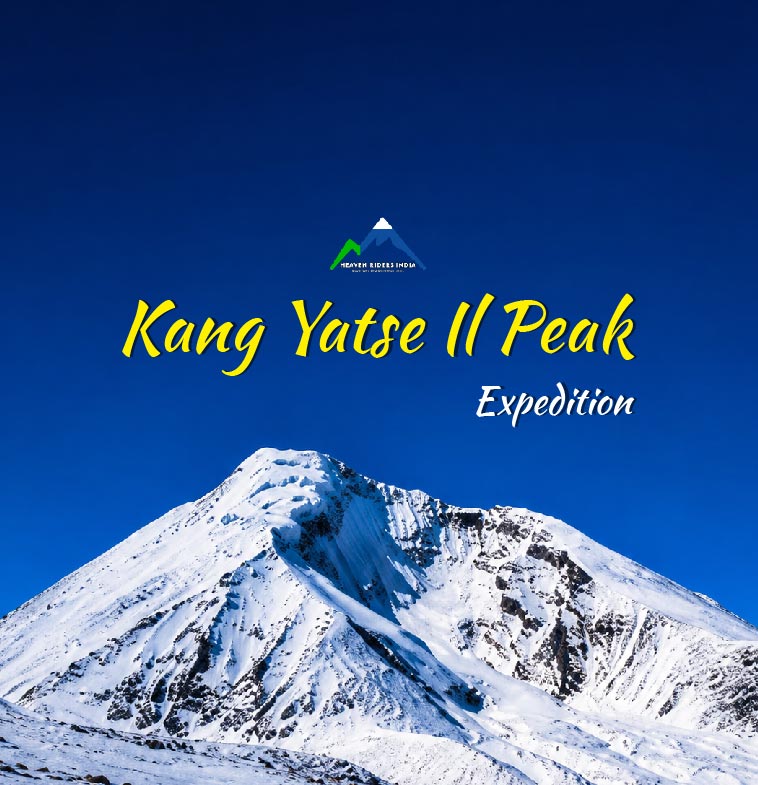
Kang yatse II Expedition
Explore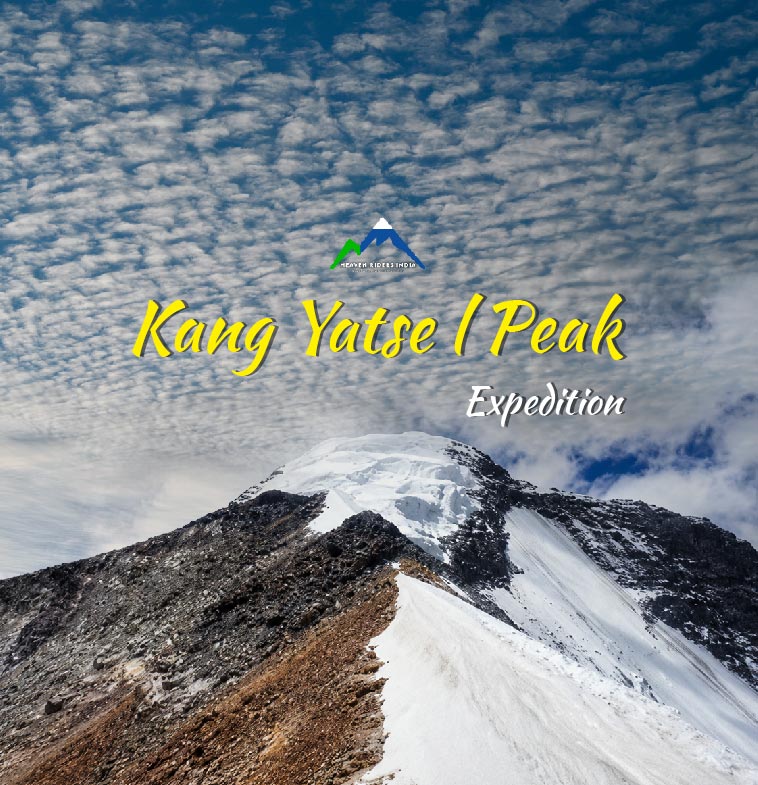
Kang yatse 1 Peak Expedition
Explore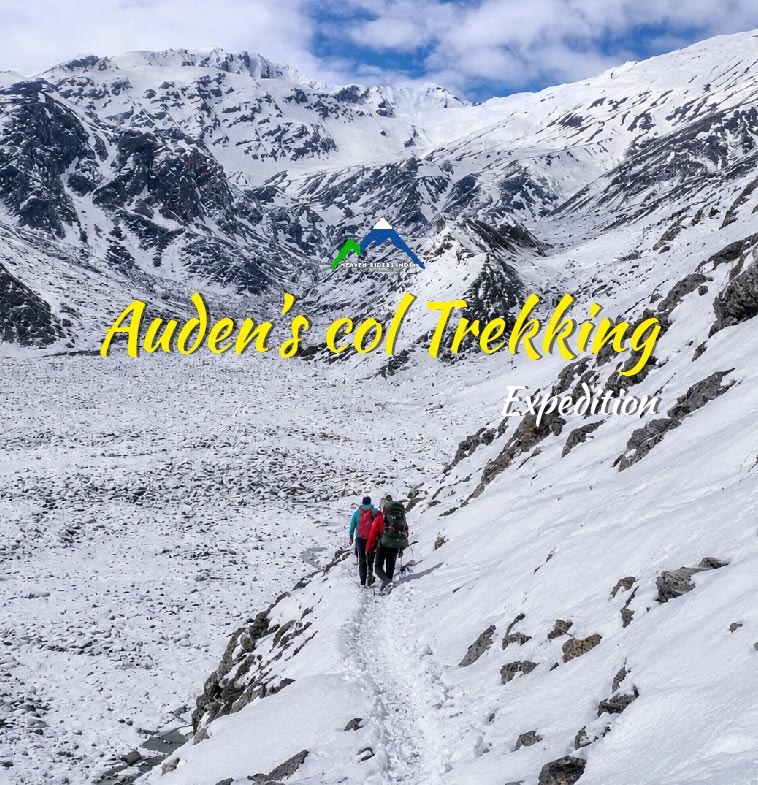
Auden’s col Trekking Expedition
Explore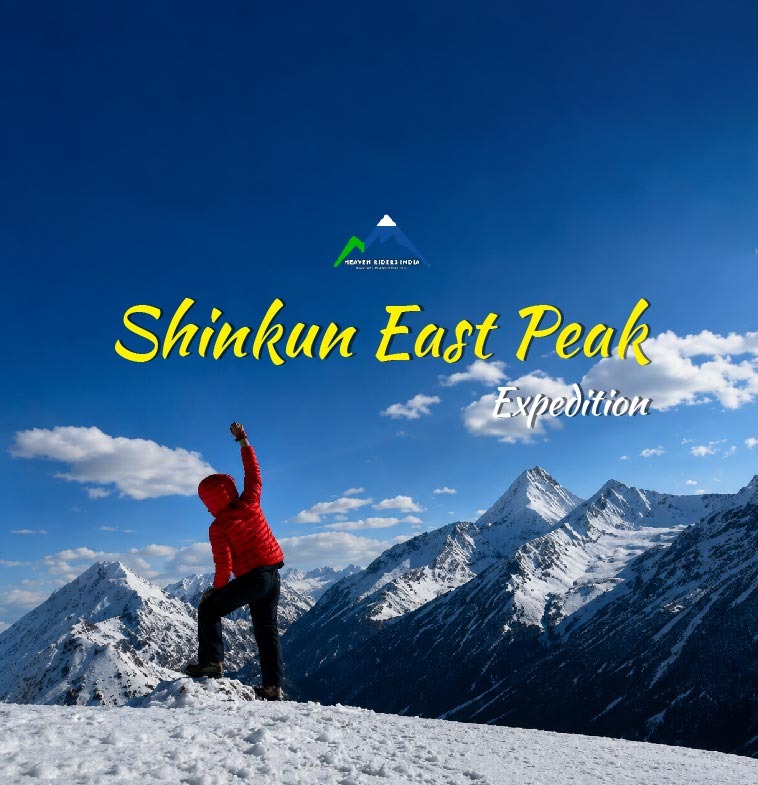
Mount Shinkun East Expedition
Explore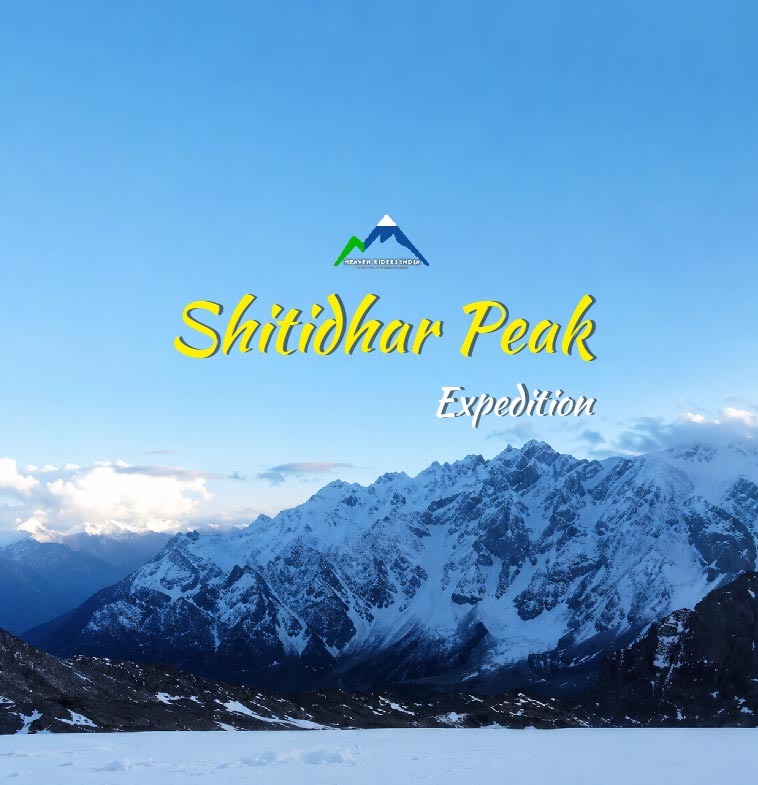
Mt. Shitidhar Expedition
Explore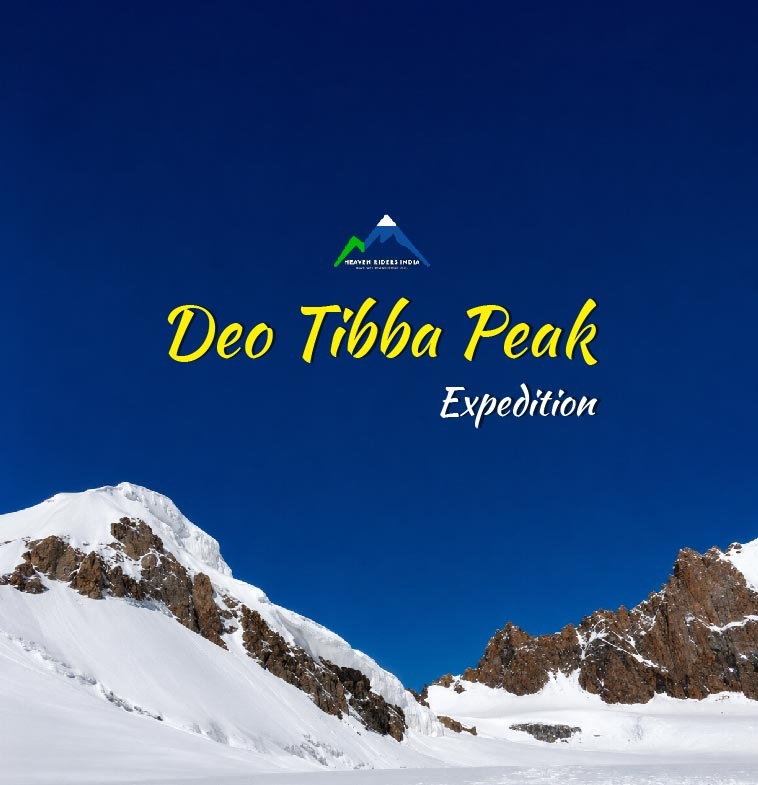
Mount Deo Tibba Expedition
Explore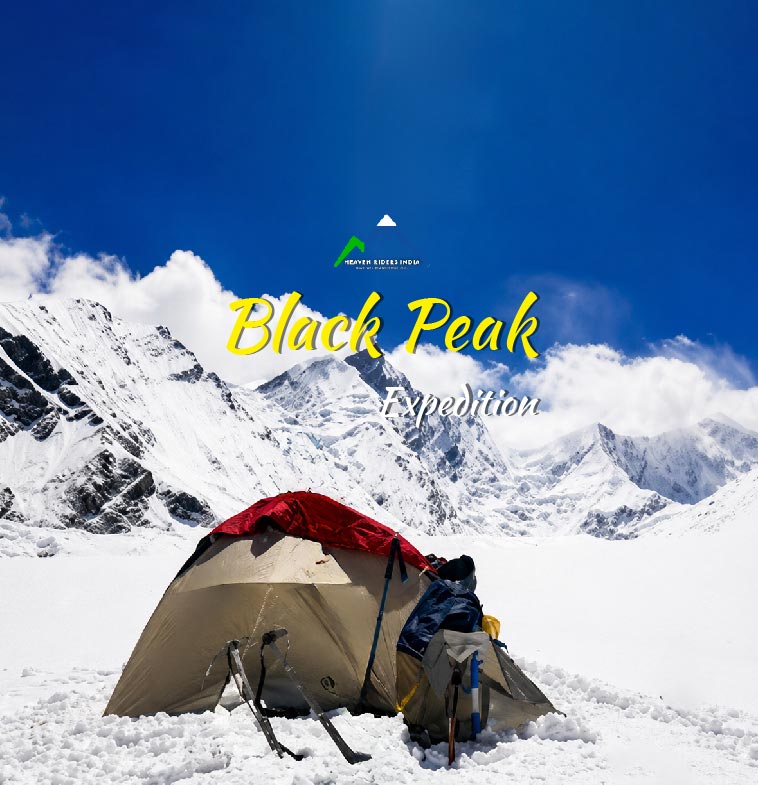
Black Peak Expedition
Explore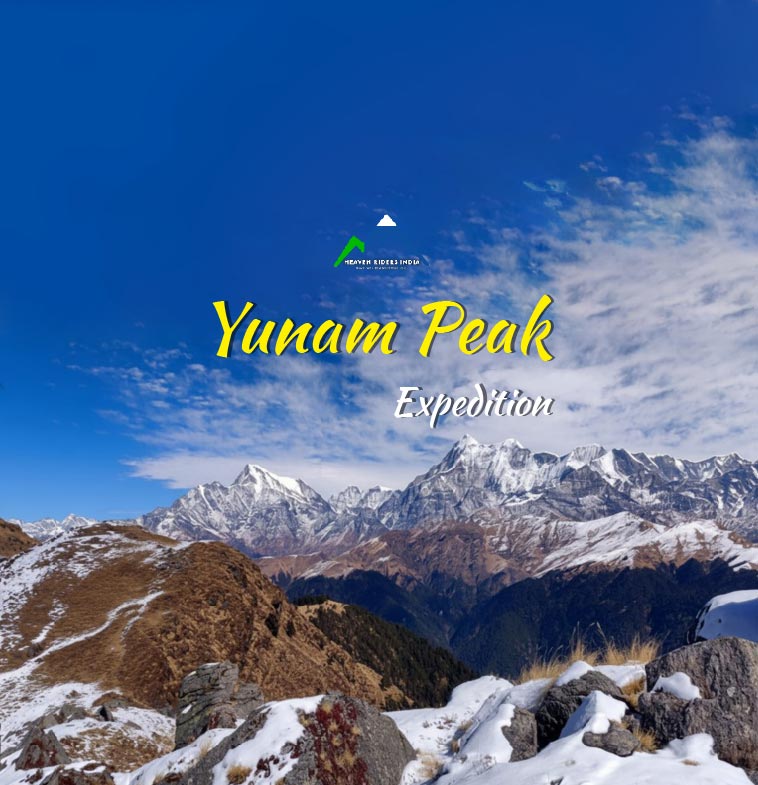
Yunam Peak Expedition
Explore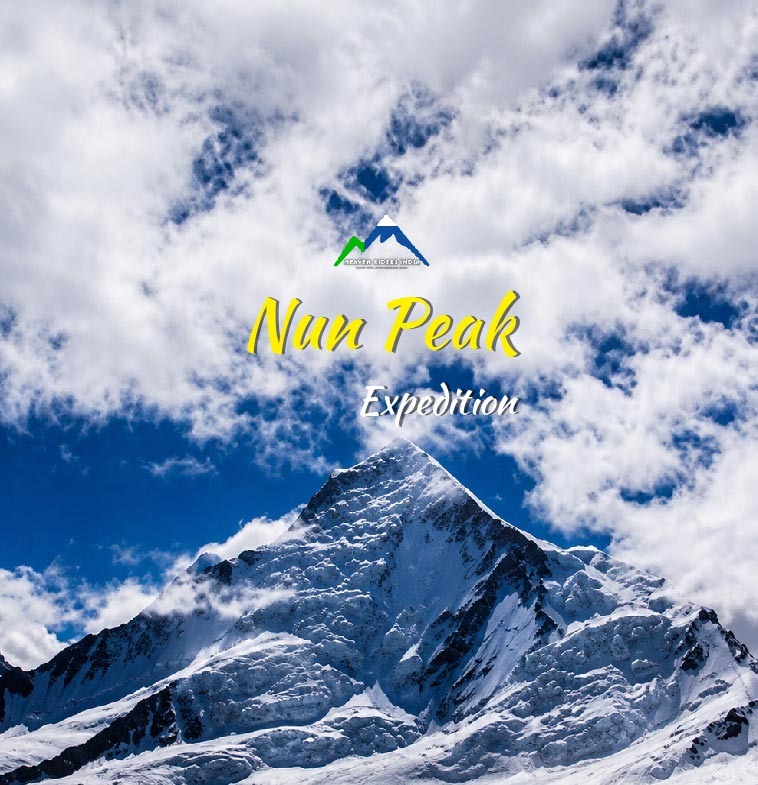
Mount Nun Expedition
Explore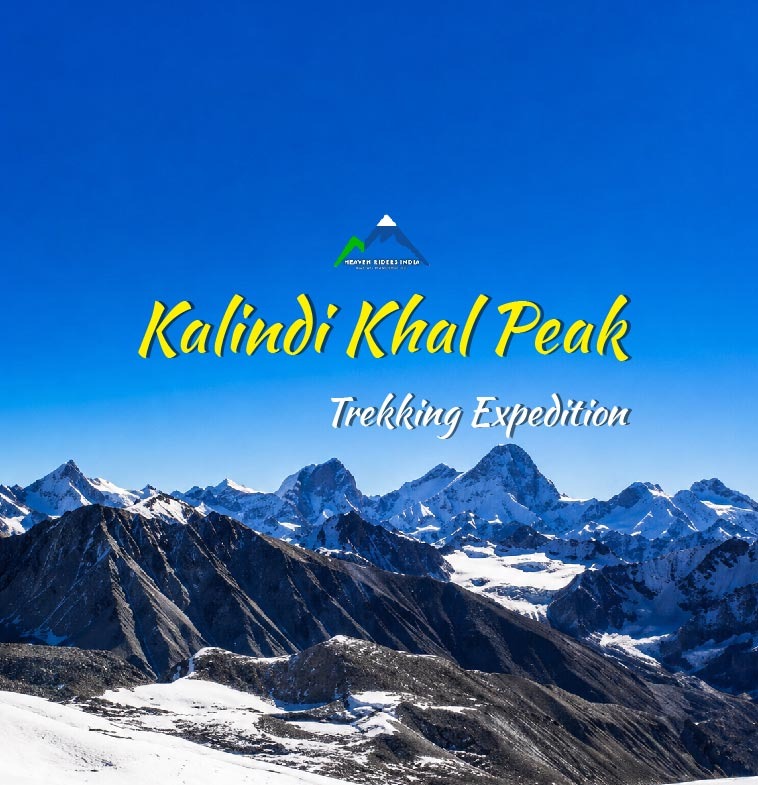
Kalindi Khal Trekking Expedition
Explore

×
![]()

Heaven Riders India

Posted on Google 

Ajita Gove
Trustindex verifies that the original source of the review is Google. This was truly the best trip of my life! Spiti is magical in itself, but the way this Heaven Riders planned and executed everything made it even more special and unforgettable. From the breathtaking landscapes to the smooth coordination, everything was perfectly managed. A special thanks to Vishal ji for his constant support throughout the journey. He made sure we were comfortable, safe, and enjoying every moment. What I really appreciated was that he didn’t just stick to the itinerary — he also showed us extra places that weren’t even mentioned, which made the experience even more memorable. Every small detail was taken care of, and the entire trip felt well-organized and stress-free. I created memories for a lifetime. Highly recommended to anyone planning a Spiti trip — you can trust them completely for an amazing experience! 🌄✨ Looking forward to many more trips together in the future😊
Posted on Google

Piyush Jain
Trustindex verifies that the original source of the review is Google. Thank for being such an amazing host. You went above and beyond to make us feel welcome and relaxed. Your dedication to providing the best experience is inspiring and we left with smiles on our faces after what can only be described as a truly brilliant time. Best hospitality ❣️
Posted on Google

vinit jain
Trustindex verifies that the original source of the review is Google. HIGHLY RECOMMEND, if your travelling for the first time with them you can trust them blindly with service, food, comfort everything. I travelled spiti with them, and the experience was surreal. Special thanks to aditya and vicky bhai❤️. I’ll definitely join the next trip with them soon.
Posted on Google

Prashant Bisht
Trustindex verifies that the original source of the review is Google. I don't post reviews at all but for this I had to. Thanks to heaven riders, I managed to complete one of the most difficult courses in high altitude mountaineering. This would not have been possible without the brilliance of our mentor Mr. Vishal Thakur. Under his leadership and guidance, the whole week was packed with adventures and learnings. I would also like to thank Ms. Kalpana, who made all the ends meet with her patience and constant coordination with us. Everything was handled very seamlessly. Heavenridersindia team is indeed very professional. Thank you so much 🙏🏻
Posted on Google

Abhishree
Trustindex verifies that the original source of the review is Google. I have no words to express my gratitude to Mr. Vishal Thakur and his team. I went for an ice climbing course to Spiti valley with their team. This is supposed to be one of the toughest courses at high altitude areas. In chilling temperatures of minus 28 degrees, tough climbs at high altitudes as well as scaling the whole waterfall, Vishal Thakur was an absolute epitome of leadership and technical expertise. He believed in me more than I did in myself. The course was an absolute success! I will definitely be coming back for the advanced course! Everything from the logistics to the stay to the food and the teaching was managed impeccably. As a special mention, I want to thank Ms. Kalpana as well who was coordinating with me throughout the journey and made sure she was available even in the wee hours of the morning without a single complaint. The whole team clearly works for a common purpose.
Posted on Google

Swastika Ganguly
Trustindex verifies that the original source of the review is Google. Very safe and experienced travel group i ever had.. i travelled many times with HRI .. they are best..safe, clean food, clean stays, i travel alone n i feel very safe with them..i best coach for tough terrains like Shrikhand n Kinnaur kailash.. thank you so much Heaven Riders....🙏
Posted on Google

Ajay Sharma
Trustindex verifies that the original source of the review is Google. A truly once-in-a-lifetime experience with Heaven Riders India on the Spiti Winter Expedition 4x4. From start to finish, everything was impeccably planned and executed. The team was highly professional, warm, and attentive, ensuring comfort and safety even in extreme high-altitude winter conditions. The hospitality was excellent, the food delightful, and the journey unforgettable against the breathtaking landscapes of Spiti. Special thanks to Rishab bhai, Vicky bhai, Aditya bhai, and Roshan bhai for exceptional driving, nonstop fun, stunning photographs, and their constant support and care throughout the journey. Grateful for memories that will last a lifetime. Highly recommended for anyone seeking a refined, safe, and truly magical Spiti experience. ✠Lots of love and gratitude ❤️
Posted on Google

Raghul K
Trustindex verifies that the original source of the review is Google. Kalpana have coordinated very well with the kedarkantha trek , trekking went well and have coordinated well regarding the rooms stays also . We enjoyed a lot and experience was awesome .
Posted on Google

Bhuvanesh S
Trustindex verifies that the original source of the review is Google. We booked kederkantha trek with Heaven Riders India. Everything was perfect with their service from the start of the treak till getting down from summit.
Posted on Google

Maaitrayo Das
 Trustindex verifies that the original source of the review is Google.
 completed brahmatal terk with them. it was good
Verified by Trustindex
Trustindex verified badge is the Universal Symbol of Trust. Only the greatest companies can get the verified badge who has a review score above 4.5, based on customer reviews over the past 12 months. Read more