Climb Friendship Peak in India for a great adventure
If you are dreaming about a high-altitude adventure in the Indian Himalayas, then Friendship Peak India should top the list of climbs. This beautiful summit attracts both new mountaineers and experienced trekkers who come to enjoy the real taste of snow climbing, glacier travel, and stunning mountain views. Set proudly at 5,289 meters in the Pir Panjal range of Himachal Pradesh, this peak offers one of the most rewarding summit experiences in the region.
Why Friendship Peak is so popular:
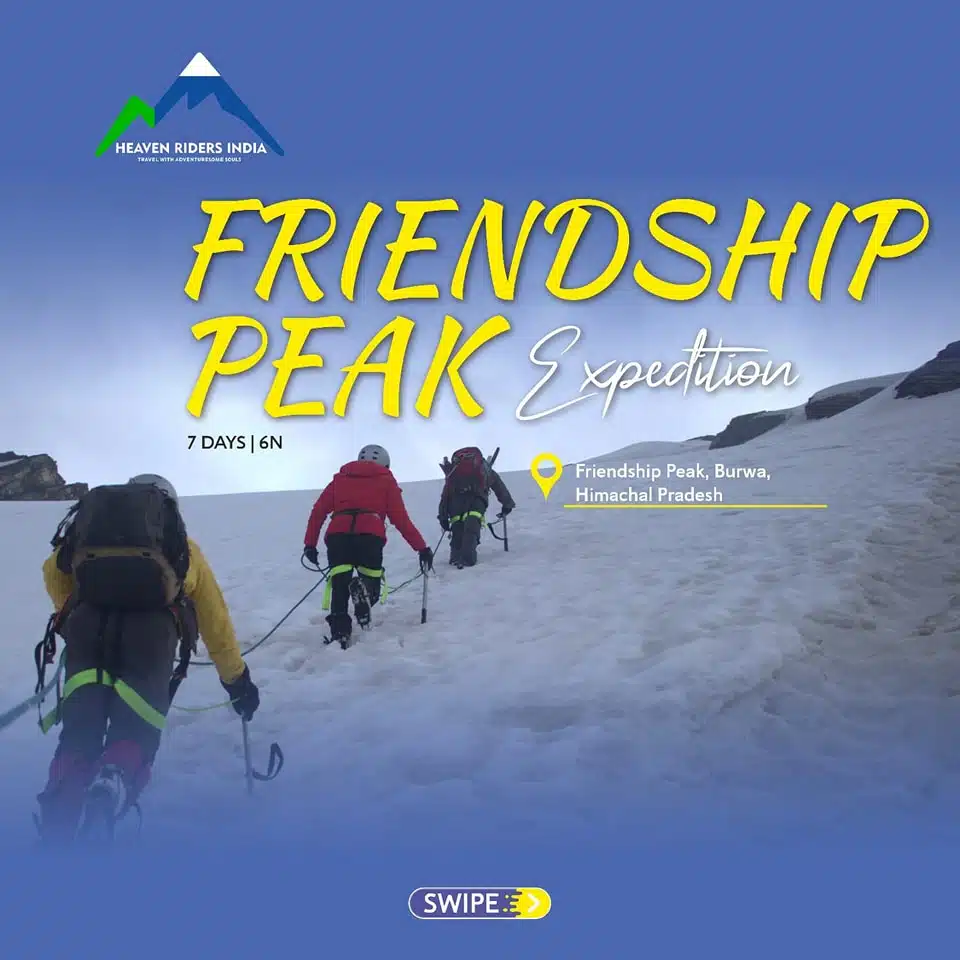
The major reason trekkers choose Friendship Peak India is that it provides a real mountaineering experience without demanding advanced technical training. You do not need professional climbing skills, but you must be physically fit and familiar with high-altitude trekking. During the climb, the trekkers use basic mountaineering equipment like ropes, crampons, and ice axes, especially during their walk on the glacier and in the final summit push.
Further, this trek is loved because of the breathtaking view from the top: on one side rises the mighty Hanuman Tibba, while on the other side lie the stunning peaks of Indrasan, Deo Tibba, Shitidhar, and the famous Seven Sisters range. In fact, the panoramic Himalayan scenery makes the whole journey worth every step.
Trek Route Overview
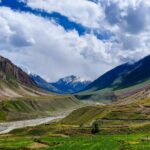
Dhundi is a beautiful place situated close to Manali, from where your journey would start. The trail goes through lush green valleys, calm forests, and open meadows. From Dhundi, the trekkers move towards Bakarthach, from where the first camp is set up. This area is characterized by tranquil surroundings and clear mountain views.
The next stop will be the advanced base camp called Lady Leg. This place is of vital importance: at this spot, the trekkers rest, then adapt to the altitude and prepare for the summit push. Since the weather plays a major role at this height, the team waits for the right moment to begin the climb.
Trekkers start very early in the morning on the day of the summit attempt, sometimes at midnight or 1 AM. This is most appropriate at this time because the snow remains firm and the weather is more stable. The rising sun with the surrounding peaks building a golden glow creates a magical moment that etches in your memory forever.
How to Reach Manali
One of the best things about Friendship Peak India is that the base city, Manali, is fairly easy to reach for tourists. Manali itself is a famous tourist destination, renowned for its beautiful landscapes, snow activities, and adventure sports. It lies at an altitude of around 2,000 meters on the banks of Beas River and forms the gateway to Lahaul, Spiti, and even Leh-Ladakh.
By Air
The nearest airport to Manali is Bhuntar Airport, which lies at a distance of about 50 km. Flights from New Delhi generally operate to the airport. Several travelers also opt for helicopter taxi services operated by Pawan Hans, which link Shimla to Chandigarh, Kullu, and Dharamshala.
By Train
Manali does not have any railway station. Its nearby railway stations are:
Kiratpur Sahib – 268 km
Kalka – 275 km
Chandigarh – 310 km
People usually travel to one of these stations and then continue the journey by road.
By Road
The most common and enjoyable way to reach Manali is by road. From Delhi, the 570 km route goes via very scenic routes, and many luxury buses, including semi-sleeper Volvos, make an overnight journey to Manali. Most solo travelers prefer this option because of affordability, safety, and comfort. Taxis are also available from Delhi if one wants a private ride.
Trek Cost & Difficulty Level
The estimated cost for the expedition to Friendship Peak is around ₹ 38,800 per person. It generally includes the charges for the stay during the trek, food, guides, equipment, and permits. Reasonably well-priced, considering the support required on a summit trek.
Difficulty: it is considered a moderate to difficult trek. That means that even though you won’t need expert mountaineering knowledge, you must be well-prepared. Trekkers should have prior high-altitude experience and strong physical fitness. Cardio, strength workouts, and long walks help your body get ready for the climb.
Why Choose the Friendship Peak Trek?
Climbing Friendship Peak India is not all about summiting; it is about the journey. The trek combines adventure, natural beauty, and Himalayan culture. Some of the reasons that keep it outstanding include:
- Perfect Introduction to Mountaineering
This trek provides the right balance of challenge and safety if this is your first time going on snow climbing and glacier travel.
- Breathtaking Himalayan Views
You get stunning views of some of the most beautiful mountains of India on this entire trek, and most importantly, an unforgettable panorama from the summit.
- Easy access via Manali
This trek begins near Manali and hence can be joined by people from all parts of the country.
Best Time to Trek
May–June and September–October is the best time for climbing Friendship Peak India. The weather is stable, skies are clear, and snow is in good condition during these months. During the monsoon and winter, the trail becomes dicey owing to heavy rain or deep snow.
Closing Thoughts
Climbing Friendship Peak India ensures an exciting adventure with great views and a lifetime memorable Himalayan experience. It is challenging yet achievable, full of scenic views yet very adventurous, and just perfect for trekkers who look to push their limits. It teaches you patience, discipline, and respect for the mountains while providing one of the best summit experiences in the Indian Himalayas. For further assistance or to book your tour, please Enquire Now: +91 73800 87934.
| Table Header | Table Header |
|---|---|
| Table Data | Table Data |