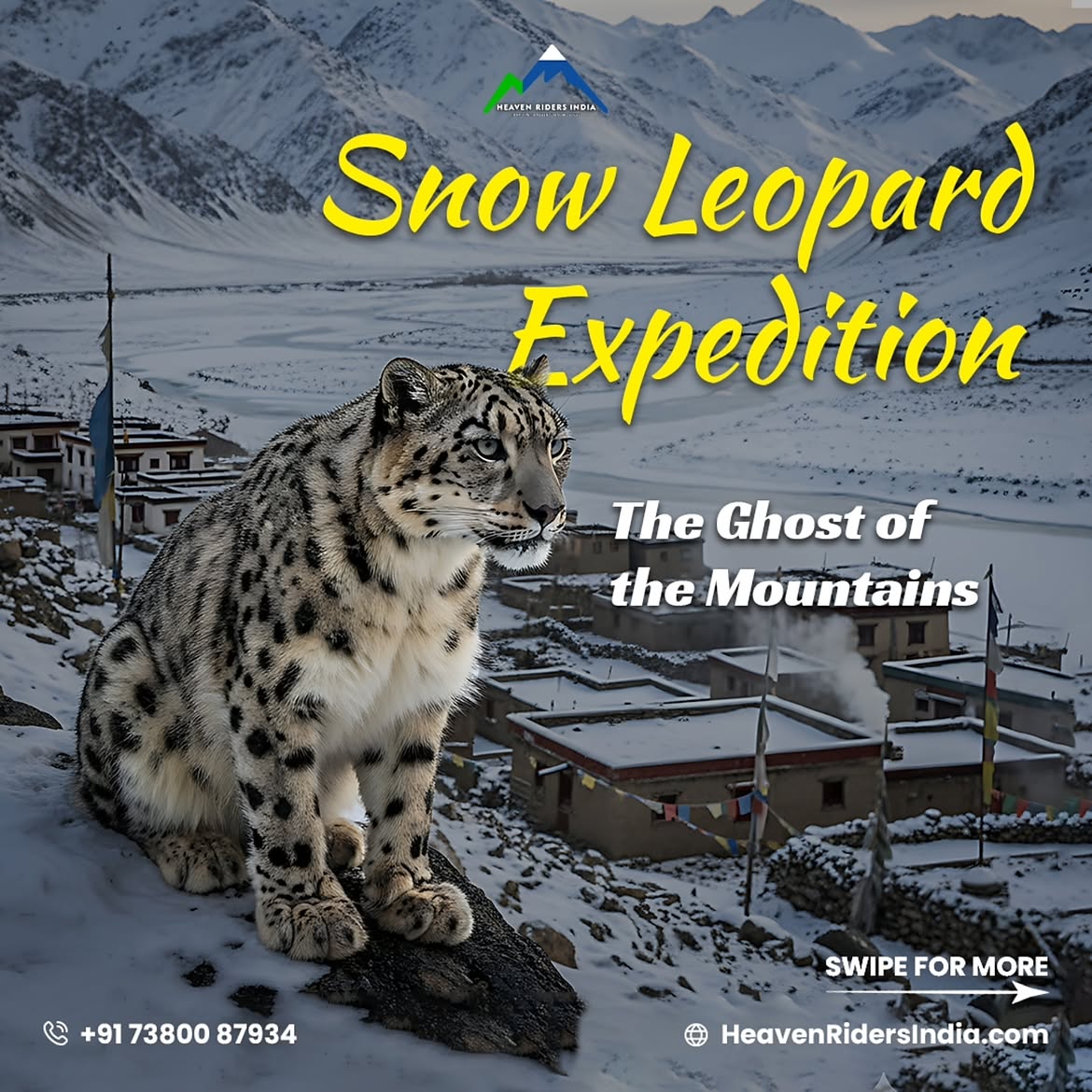
Spiti Valley is one of India’s important snow leopard landscapes, especially around the upper Spiti region and Kibber Wildlife Sanctuary. Its high-altitude terrain, cold desert environment and populations of wild prey make it a well-known destination for snow leopard tracking. The Himachal Pradesh Forest Department has also identified Spiti as one of India’s important snow leopard landscapes and supports research and conservation work in the region.
A snow leopard expedition in Spiti is different from a regular wildlife trip. The animal is elusive, sightings are never guaranteed, and finding one can require several hours or even several days of patient observation. For travellers, wildlife photographers and adventure seekers, the expedition combines wildlife tracking with a winter journey through the remote villages and landscapes of Spiti Valley.
This complete guide explains the best time to visit, where to look for snow leopards, how to reach Spiti in winter, what a typical expedition involves, what to pack, and how to choose a suitable snow leopard expedition package.
Why Is Spiti Famous for Snow Leopard Sightings?
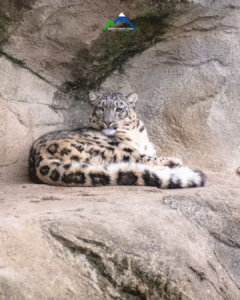
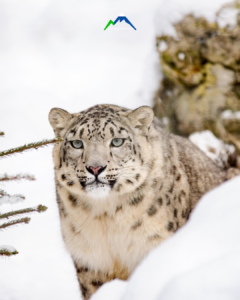
The upper Spiti landscape is recognized by the Himachal Pradesh Forest Department as an important snow leopard area. The region includes the Kibber Wildlife Sanctuary and surrounding community areas where wildlife research and conservation programmes have been carried out for years.
Kibber Wildlife Sanctuary is located in the Trans-Himalayan cold desert of Himachal Pradesh. The sanctuary supports snow leopards along with prey species such as Asiatic ibex and blue sheep, as well as other wildlife including Tibetan wolves, red foxes and Himalayan birds.
The landscape is particularly suited to wildlife tracking because its open slopes, rocky cliffs and high-altitude valleys can provide long viewing lines for experienced spotters. Local knowledge is also important because snow leopards can move across large areas and spend long periods out of sight.
For this reason, a Spiti snow leopard expedition is usually built around patience, repeated scanning and time in the field rather than a quick wildlife safari.
Best Time for a Snow Leopard Expedition in Spiti
The main winter season is generally considered the preferred period for snow leopard tracking in Spiti. January to March is especially popular because snow and colder conditions can bring snow leopards and their prey into areas where they may be easier to observe.
Winter also transforms Spiti into a very different landscape. Roads can become difficult, temperatures can fall well below freezing, and some routes may be affected by snowfall. The Himachal Pradesh Forest Department notes that winter temperatures in the Kibber area can reach extremely low levels.
A typical field day starts early. Spotters scan ridges, cliffs and slopes using binoculars and spotting scopes. Depending on weather and animal movement, the search may continue for several hours.
It is important to understand that there is no guaranteed snow leopard sighting. These are wild animals, and their movement depends on terrain, weather, prey availability and other natural factors.
Where to See Snow Leopards in Spiti
Kibber and Kibber Wildlife Sanctuary
Kibber is one of the best-known bases for snow leopard tracking in Spiti. The surrounding landscape contains suitable habitat for snow leopards and their prey, and conservation and research work has been carried out here for many years.
The Himachal Pradesh Forest Department identifies Kibber Wildlife Sanctuary as an important snow leopard habitat and notes the presence of snow leopards, Asiatic ibex and blue sheep in the sanctuary.
Chicham
Chicham and the surrounding high-altitude landscape are frequently included in winter wildlife itineraries. The rocky terrain and surrounding slopes provide potential habitat for snow leopards and their prey.
Chicham can also be combined with other Spiti sightseeing stops, making it useful for travellers who want to experience more than wildlife tracking during their expedition.
Gete and Tashigang
The high-altitude areas around Gete and Tashigang provide additional viewpoints for wildlife tracking. Spotters can scan distant slopes and cliffs from suitable vantage points.
Because sightings can occur at a considerable distance, binoculars and a spotting scope are especially useful.
Langza, Hikkim and Komic
The Langza-Hikkim-Komic circuit is another popular part of an extended Spiti itinerary. These villages also give travellers an opportunity to experience Spiti’s high-altitude culture and landscapes alongside wildlife tracking.
Shilla Nalla and Nearby Slopes
Depending on recent animal movement and local tracking information, experienced guides may also explore less-visited slopes and areas around Shilla Nalla.
The exact tracking locations can change during an expedition. Snow leopards are wide-ranging animals, so a responsible operator should adapt the field plan according to local conditions rather than promise a particular sighting location.
What Is a Typical Snow Leopard Expedition Like?
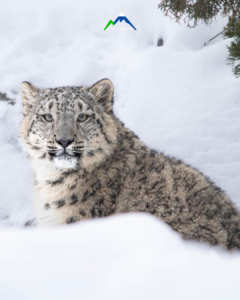
A typical day begins before sunrise. After breakfast, travellers head towards a suitable viewing area with their guide and wildlife spotters.
The main activity is observation. Spotters scan cliffs, ridgelines and rocky slopes through binoculars and spotting scopes. The group may remain at one viewpoint for a long period before moving to another location.
If a snow leopard is spotted, the group should maintain a respectful distance and avoid creating unnecessary disturbance. Photography should also be carried out without chasing or surrounding the animal.
The middle of the day can be used for rest, meals and visits to nearby villages or monasteries. Depending on the itinerary, additional tracking sessions can take place later in the afternoon.
A snow leopard tour in Spiti therefore requires patience. Travellers should be prepared to spend several hours looking through optics even when no animal is immediately visible.
Snow Leopard Expedition Cost and Package
The snow leopard expedition cost depends on factors such as the number of days, transportation, accommodation, meals, local guides and wildlife-spotting support.
Before booking a snow leopard expedition package, check exactly what is included. Important points to confirm include:
- Number of expedition days
- Transportation from the starting point
- Accommodation and type of stay
- Meals during the trip
- Local guides and wildlife spotters
- Permits or applicable fees
- Number of field-tracking days
- Emergency and support arrangements
- Pickup and drop-off details
- Exclusions and personal expenses
Prices can change between departures and seasons, so travellers should check the latest package details before making a booking rather than relying on an old price mentioned in a blog.
For the current Snow Leopard Expedition in Spiti package, travellers should review the latest itinerary, inclusions, dates and booking information on the Heaven Riders India expedition page.
How to Reach Spiti for a Winter Snow Leopard Expedition
Winter access to Spiti requires careful planning. The Manali-Kaza route can become inaccessible because of heavy snowfall, so winter itineraries commonly use the Kinnaur side when road conditions allow.
A route through Shimla, Reckong Peo, Nako and Tabo can eventually lead towards Kaza and the upper Spiti region.
Travellers should avoid planning an extremely long drive in one stretch. Gradual travel with suitable rest and acclimatization stops is more practical for a high-altitude winter journey.
Road and weather conditions can change quickly, so the actual route should always be confirmed close to departure.
Permits and Local Regulations
Some areas of Spiti are close to the international border and may have specific entry requirements or restrictions. Access to protected wildlife areas is also subject to applicable forest department rules.
Travellers should carry the required identification and follow instructions from local authorities and forest officials.
A responsible snow leopard expedition operator should explain the applicable requirements before departure and help travellers understand where guided access is required.
Snow Leopard Photography Tips
A snow leopard can often appear as a small shape against a large mountain slope. This makes suitable optics important.
For wildlife photography, consider carrying:
- Binoculars
- A spotting scope where available
- A camera with a telephoto lens
- Extra batteries
- Memory cards
- Lens cleaning equipment
- A stable support or tripod where practical
Cold temperatures can reduce battery performance, so keep spare batteries protected from extreme cold when possible.
Most importantly, photography should never take priority over responsible wildlife viewing. Do not approach, chase or intentionally disturb a snow leopard for a photograph.
What Else Can You See in Spiti?
A Spiti wildlife expedition is not limited to snow leopards. The upper Spiti landscape supports several other high-altitude species.
Depending on the season and location, travellers may encounter:
- Himalayan ibex
- Blue sheep or bharals
- Tibetan wolf
- Red fox
- Woolly hare
- Himalayan marmot
- Himalayan birds of prey
- Other high-altitude bird species
The prey species are particularly important to the snow leopard ecosystem. The Himachal Pradesh Forest Department identifies Asiatic ibex and blue sheep among the key prey species found in Kibber Wildlife Sanctuary.
Snow Leopard Conservation in Spiti
Snow leopard tourism is closely connected with conservation and local communities in Spiti. The Himachal Pradesh Forest Department and Nature Conservation Foundation have worked on research, monitoring and community-based conservation in the Upper Spiti landscape.
The region has also been the focus of long-term snow leopard research, including population and prey surveys.
Responsible tourism can support the local economy through accommodation, guiding, transportation and other services. Travellers should choose operators that respect wildlife regulations, minimise disturbance and involve local communities appropriately.
The snow leopard is classified as a threatened species, and conservation depends on protecting habitat, prey populations and the wider mountain ecosystem.
What to Pack for a Spiti Snow Leopard Expedition
Winter in Spiti can be extremely cold, so proper clothing is essential.
Carry:
- Heavy insulated jacket
- Thermal base layers
- Warm fleece or mid-layer
- Insulated waterproof trekking shoes
- Woollen socks
- Gloves
- Warm cap or balaclava
- Sunglasses
- Sunscreen
- Personal medicines
- Basic first-aid supplies
- Water bottle
- Power bank
- Headlamp
- Binoculars
- Camera and telephoto lens if required
Altitude also needs to be taken seriously. Give your body time to adjust, stay hydrated and avoid unnecessary physical exertion during the first part of the trip.
Essential Tips for Your Snow Leopard Expedition in Spiti
Acclimatize properly: Spiti is a high-altitude destination. Follow a gradual itinerary and give your body time to adjust.
Prepare for extreme cold: Winter conditions can be severe, especially during early-morning wildlife tracking.
Carry good optics: Snow leopards may be far away, making binoculars or a spotting scope extremely useful.
Be patient: A sighting may take hours or several days. No ethical operator can guarantee that a wild snow leopard will appear.
Follow local instructions: Protected areas and wildlife habitats have rules that travellers should follow.
Respect local communities: Ask permission before photographing people and follow local customs around villages and monasteries.
Stay hydrated: Cold weather can make it easy to forget about water intake.
Keep your distance: Never attempt to approach or chase a snow leopard for a closer photograph.
Frequently Asked Questions
What is the best time to see a snow leopard in Spiti?
January to March is a popular period for snow leopard tracking because winter conditions can bring animals and their prey into areas where they may be easier to observe. Weather and animal movement remain unpredictable.
Where can I see snow leopards in Spiti?
Kibber Wildlife Sanctuary and the surrounding Upper Spiti landscape are among the main areas associated with snow leopard tracking. Depending on local conditions, expeditions may also explore areas around Chicham, Gete, Tashigang and other nearby locations.
Is a snow leopard sighting guaranteed?
No. Snow leopards are wild and elusive animals. A responsible expedition can improve the opportunity for observation through experienced guides, suitable locations and sufficient field time, but no sighting can be guaranteed.
How much does a snow leopard expedition in Spiti cost?
The cost depends on the duration, accommodation, transportation, meals, guides, wildlife-spotting support and other inclusions. Check the current expedition package for the latest price and inclusions before booking.
How many days are needed for a snow leopard expedition?
A multi-day expedition gives travellers more time for wildlife tracking and allows some flexibility for weather and road conditions. The exact duration depends on the itinerary and departure plan.
Is a snow leopard expedition suitable for beginners?
Technical mountaineering skills are generally not the focus of wildlife tracking, but travellers should be prepared for high altitude, long observation sessions and severe winter temperatures. Reasonable fitness and proper preparation are important.
Can I combine snow leopard tracking with other Spiti attractions?
Yes. Depending on the itinerary, travellers can combine wildlife tracking with visits to places such as Key Monastery, Langza, Hikkim, Komic and Chicham.
Is mobile network available during the expedition?
Connectivity can be limited in remote parts of Upper Spiti. Travellers should be prepared for periods with weak or unavailable mobile connectivity.
Book Your Snow Leopard Expedition in Spiti
A snow leopard expedition in Spiti combines wildlife tracking with a journey through one of the high-altitude landscapes of the Indian Himalayas. The experience requires patience, proper winter preparation and respect for wildlife.
Heaven Riders India offers a dedicated Snow Leopard Expedition in Spiti for travellers interested in exploring the region during the winter wildlife season.
Before booking, check the latest departure dates, itinerary, package inclusions, cost and travel requirements. If you are planning a Spiti snow leopard trip, prepare for the cold, allow enough time for wildlife tracking and keep realistic expectations about sightings.
Get in touch with Heaven Riders India to check the latest Snow Leopard Expedition in Spiti package and plan your winter wildlife journey.